
Simple design furniture sets the stage for a discussion on the elegance and functionality of minimalist furniture. This exploration delves into the aesthetic appeal and practical benefits of streamlined designs, examining how they enhance living spaces and reflect contemporary lifestyles. We will consider various aspects, from material choices and construction techniques to the impact on overall room ambiance and user experience.
The increasing popularity of simple design furniture stems from a desire for clean lines, uncluttered spaces, and a focus on quality over quantity. This movement embraces practicality and versatility, creating pieces that seamlessly integrate into diverse interior styles while maintaining a timeless appeal. We’ll examine how these pieces can be incorporated effectively into various home settings, balancing form and function.
In today’s fast-paced world, the appeal of simple design furniture is undeniable. Its clean lines, uncluttered aesthetics, and functional practicality resonate with a growing number of homeowners seeking a serene and stylish living space. This comprehensive guide delves into the world of simple design furniture, exploring its defining characteristics, benefits, materials, styles, and how to incorporate it into your home.
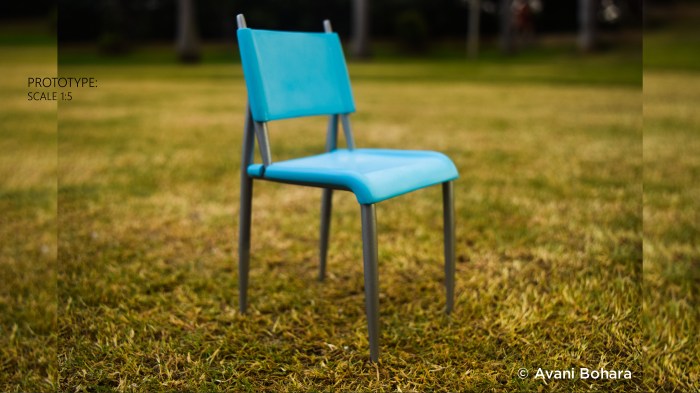
We’ll also address frequently asked questions and provide resources to help you on your journey to minimalist living.
Understanding Simple Design Furniture: More Than Just Minimalism
Simple design furniture isn’t just about stripping away all ornamentation; it’s about thoughtful design that prioritizes functionality and elegance. It’s about creating a space that feels calm, inviting, and free from visual clutter. Key characteristics include:

- Clean Lines and Shapes: Avoidance of excessive curves or intricate detailing in favor of straightforward geometric forms.
- Neutral Color Palettes: Emphasis on muted tones like whites, grays, beiges, and blacks, allowing the furniture’s form to take center stage.
- Natural Materials: Preference for materials like wood, bamboo, rattan, and natural fibers, contributing to a sense of warmth and authenticity.
- Multi-Functionality: Pieces often serve multiple purposes, maximizing space and minimizing the need for excessive furniture.
- High-Quality Craftsmanship: While simple in design, the furniture is often made with durable, high-quality materials and construction techniques.
The Benefits of Choosing Simple Design Furniture
The appeal of simple design furniture extends beyond aesthetics. It offers a range of practical and psychological benefits:
- Increased Space and Light: The uncluttered aesthetic makes rooms feel larger and brighter, particularly beneficial in smaller homes or apartments.
- Reduced Stress and Anxiety: A minimalist environment can promote a sense of calm and reduce visual overload, contributing to a more peaceful atmosphere.
- Enhanced Focus and Productivity: A less cluttered space can improve concentration and productivity, making it ideal for home offices or study areas.
- Timeless Appeal: Simple designs tend to age gracefully, avoiding the need for frequent replacements as trends change.
- Easy to Clean and Maintain: The lack of intricate details simplifies cleaning and maintenance, saving time and effort.
Popular Materials Used in Simple Design Furniture
The choice of materials significantly impacts the overall look and feel of simple design furniture. Some popular options include:
- Solid Wood: Offers durability, warmth, and a natural aesthetic. Popular choices include oak, walnut, maple, and pine.
- Bamboo: A sustainable and rapidly renewable resource, bamboo is lightweight yet strong and adds a touch of natural elegance.
- Rattan and Wicker: These natural fibers create a breezy, relaxed atmosphere, perfect for casual living spaces.
- Metal: Often used in combination with wood or other materials, metal provides a modern and industrial touch.
- Fabric: Neutral-colored linens, cottons, and wools are commonly used for upholstery, contributing to a minimalist aesthetic.
Different Styles of Simple Design Furniture
While all simple design furniture shares common characteristics, various styles cater to different preferences:
Scandinavian Design:, Simple design furniture
Characterized by functionality, minimalism, and the use of natural materials like light wood and textiles. Often features clean lines, simple shapes, and a light and airy feel.
Mid-Century Modern:
Emphasizes clean lines, tapered legs, and organic shapes. Often incorporates materials like teak wood and molded plywood. A balance between functionality and style.
Japanese Minimalism:
Focuses on simplicity, functionality, and a connection with nature. Employs natural materials and emphasizes clean lines and uncluttered spaces. Often incorporates low-profile furniture.
Contemporary Minimalism:
A more modern interpretation of minimalism, often incorporating sleek lines, metallic accents, and a monochromatic color palette. Focuses on functionality and clean aesthetics.
Incorporating Simple Design Furniture into Your Home
Creating a cohesive and stylish space with simple design furniture requires careful planning and consideration. Here are some tips:
- Start with a Foundation: Begin by choosing key pieces like a sofa, bed, or dining table, ensuring they align with your chosen style and space.
- Choose a Neutral Color Palette: A neutral base allows you to introduce pops of color through accessories and artwork without overwhelming the space.
- Maximize Natural Light: Simple designs benefit from ample natural light, so arrange furniture to maximize light penetration.
- Declutter Regularly: Maintain the minimalist aesthetic by regularly decluttering and organizing your belongings.
- Add Personal Touches: While simplicity is key, don’t be afraid to add personal touches through artwork, plants, or decorative objects.
Frequently Asked Questions (FAQ)
- Q: Is simple design furniture expensive? A: The cost varies greatly depending on the materials, craftsmanship, and brand. While some high-end pieces can be expensive, many affordable options are available.
- Q: Where can I find simple design furniture? A: Many online retailers and brick-and-mortar stores offer simple design furniture. Consider exploring brands specializing in minimalist design.
- Q: How do I maintain simple design furniture? A: Maintenance depends on the materials. Wood furniture may require regular polishing, while fabric upholstery may need occasional cleaning.
- Q: Is simple design furniture suitable for families with children? A: While some delicate pieces may not be ideal, many durable and easy-to-clean simple design furniture options are suitable for families.
- Q: Can I mix and match different styles of simple design furniture? A: Yes, you can create a unique and personalized look by mixing and matching elements from different styles, as long as you maintain a cohesive color palette and overall aesthetic.
Resources
- Dwell Magazine (for design inspiration)
- Apartment Therapy (for home decor and organization tips)
- Designboom (for design news and trends)
Call to Action
Ready to embrace the beauty and practicality of simple design furniture? Start browsing our curated collection today and transform your living space into a haven of calm and style. Click here to explore our selection!
FAQ Compilation
What are the most common materials used in simple design furniture?
Common materials include wood (especially oak, walnut, and beech), metal (steel and aluminum), and sustainable materials like bamboo and recycled wood.
How do I care for simple design furniture?
Care instructions vary depending on the material. Generally, regular dusting and occasional cleaning with appropriate furniture polish or cleaner are sufficient. Always refer to the manufacturer’s instructions.
Where can I find reputable sources for simple design furniture?
Reputable furniture stores, both online and brick-and-mortar, often carry simple design pieces. Look for brands known for their commitment to quality materials and craftsmanship.