
Monochrome room furniture offers a sophisticated and versatile approach to interior design. The strategic use of varying shades within a single color family creates a sense of calm and visual unity, while clever textural contrasts prevent monotony. This approach allows for a personalized aesthetic, whether leaning towards minimalist chic or a more dramatic, moody ambiance. Exploring monochrome palettes unlocks a surprising depth of design possibilities, transforming a space from ordinary to extraordinary.
From the subtle variations of greys in a modern living room to the rich depths of a charcoal bedroom suite, monochrome schemes can adapt to diverse styles and preferences. Careful consideration of lighting and accessories plays a crucial role in enhancing the overall effect, ensuring the space remains both visually engaging and comfortably lived-in. The beauty lies in the balance—achieving a cohesive look without sacrificing personality or warmth.
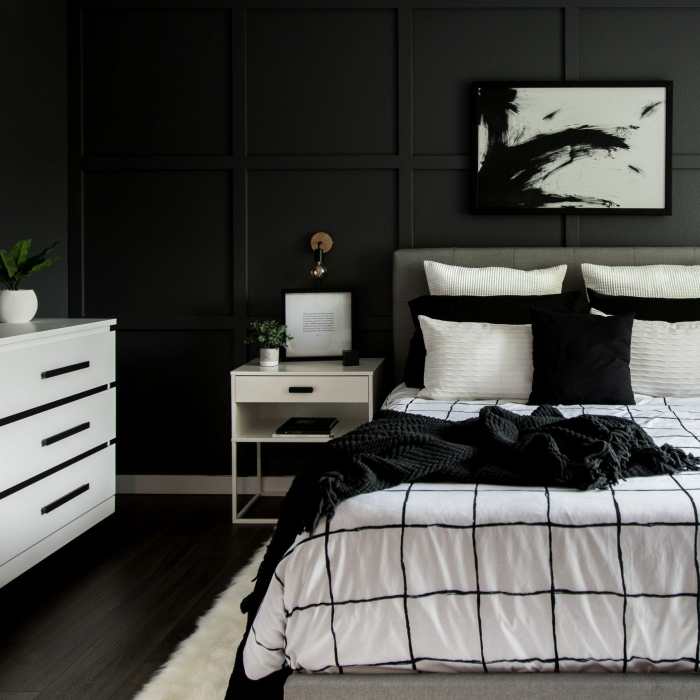
Monochrome design, often misunderstood as simply black and white, offers a surprisingly versatile and sophisticated approach to interior design. When applied to furniture, a monochrome palette – utilizing varying shades and tones of a single color or a combination of black, white, and gray – can create a stunning and calming atmosphere. This comprehensive guide delves into the world of monochrome room furniture, exploring its benefits, styling tips, and how to incorporate it into your home to achieve a stylish and cohesive look.
Understanding the Allure of Monochrome Furniture
The beauty of monochrome lies in its simplicity and elegance. By limiting the color palette, you create a sense of calm and order, allowing the textures, shapes, and forms of your furniture to take center stage. This minimalist approach can be incredibly effective in both small and large spaces, making it a popular choice for modern and contemporary homes. The versatility of monochrome also allows for easy updates and customization; you can easily change accessories and artwork to refresh the look without having to replace your core furniture pieces.
Benefits of Choosing Monochrome Furniture:
- Creates a Sense of Calm and Order: The limited color palette minimizes visual clutter and promotes a relaxing environment.
- Versatile and Adaptable: Monochrome furniture can be easily styled with different accents and accessories to create a variety of looks.
- Makes Small Spaces Feel Larger: The uniformity of color creates a sense of spaciousness, especially in smaller rooms.
- Timeless and Elegant: Monochrome design transcends fleeting trends, ensuring your furniture remains stylish for years to come.
- Easy to Coordinate: Matching and coordinating furniture and accessories is significantly simpler with a monochrome palette.
Exploring the Shades of Monochrome: Beyond Black and White
While black and white are the quintessential monochrome colors, the spectrum extends far beyond this binary. Think charcoal grays, creamy whites, and even subtle hints of off-white or beige. These variations add depth and texture to your space, preventing it from feeling stark or cold. Experimenting with different shades within a single color family, such as varying shades of gray, can create a sophisticated and layered effect.
Incorporating Texture and Material:
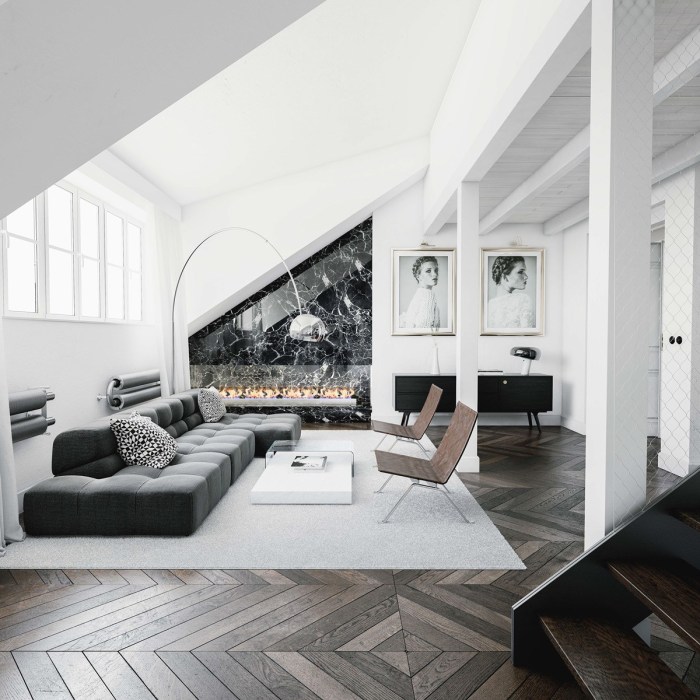
To avoid a monotonous look, it’s crucial to play with textures. Combine smooth surfaces with rough textures, such as velvet upholstery with a rustic wooden coffee table. Consider incorporating different materials like linen, leather, wood, and metal to add visual interest and depth to your monochrome scheme. A plush velvet sofa in charcoal gray paired with a sleek, white lacquered coffee table, for instance, can create a dramatic yet elegant contrast.
Styling Your Monochrome Room: Tips and Tricks
Creating a successful monochrome room involves careful consideration of various elements. Here are some tips to help you achieve a balanced and stylish space:
Choosing the Right Shades:
- Consider the Room’s Size and Lighting: Darker shades can make a room feel smaller, while lighter shades can brighten and enlarge it. Adjust your shade selection accordingly.
- Balance Light and Dark: Avoid an overly stark look by incorporating a balance of light and dark shades. This can be achieved through the furniture itself, or with the use of rugs, curtains, and accessories.
- Experiment with Tone: Varying the tones within your chosen color family adds depth and visual interest.
Adding Accents and Pops of Color:
While monochrome focuses on a limited palette, incorporating strategic pops of color can add personality and vibrancy. Consider using a single, bold accent color in accessories like cushions, throws, or artwork. This can create a focal point and prevent the room from feeling too sterile.
The Importance of Lighting:
Lighting plays a crucial role in showcasing the nuances of monochrome furniture. Layered lighting, combining ambient, task, and accent lighting, can enhance the textures and shadows, adding depth and drama to the space. Consider using warm-toned lighting to create a cozy atmosphere.
Monochrome Furniture for Different Rooms:
The versatility of monochrome makes it suitable for various rooms in your home. However, the specific shades and styling can be tailored to the function and ambiance of each space.
Monochrome Living Room:
A monochrome living room can be both sophisticated and inviting. Consider a neutral base with pops of color in cushions and throws. A large, statement rug can anchor the space and add warmth.
Monochrome Bedroom:
For a serene and calming bedroom, opt for lighter shades of gray or white. Soft textures like linen and velvet add comfort and luxury. Avoid overly dark shades that might make the room feel oppressive.
Monochrome Dining Room:, Monochrome room furniture
A monochrome dining room can be both elegant and dramatic. Consider a dark wood dining table paired with lighter chairs. Statement lighting can add a focal point and enhance the ambiance.
Frequently Asked Questions (FAQ): Monochrome Room Furniture
- Q: Is monochrome furniture boring? A: Absolutely not! Monochrome design offers incredible versatility and allows for creative expression through textures, materials, and strategic use of accents.
- Q: How can I avoid a monochrome room from feeling too stark? A: Incorporate varying shades and textures, add pops of color through accessories, and use layered lighting to add warmth and depth.
- Q: What are some good sources for monochrome furniture? A: Many furniture retailers offer monochrome pieces, both online and in-store. Explore websites like [Insert reputable online furniture retailers here] and visit local furniture stores to find pieces that suit your style and budget.
- Q: Is monochrome furniture suitable for all home styles? A: While it works particularly well in modern and contemporary homes, monochrome can be adapted to various styles with the right choices in materials and accessories.
- Q: How do I clean monochrome furniture? A: Cleaning methods depend on the material. Always refer to the manufacturer’s instructions for specific cleaning recommendations.
Conclusion: Embrace the Elegance of Monochrome
Monochrome room furniture offers a sophisticated and versatile approach to interior design. By understanding the nuances of color, texture, and lighting, you can create a stunning and cohesive space that reflects your personal style. Embrace the elegance of monochrome and transform your home into a haven of calm and sophistication.
Call to Action:
Ready to start designing your monochrome dream space? Browse our curated collection of monochrome furniture and accessories today! [Link to relevant product page/website]
Query Resolution
What are the best materials for monochrome furniture?
Many materials work well! Consider wood (various stains for monochrome shades), metal (powder-coated for color consistency), and upholstered pieces (in consistent fabrics).
How can I add warmth to a monochrome room?
Incorporate textures like natural fibers (wool rugs, linen throws), warm metallic accents (brass or copper), and consider adding plants for a touch of life and color variation.
Is monochrome furniture suitable for small spaces?
Yes, lighter shades within a monochrome palette can make a small room feel larger and more open. Avoid overly dark shades in small areas.