
Japandi style bench seamlessly blends the minimalist aesthetics of Japanese design with the functionality and warmth of Scandinavian style. This fusion creates pieces of furniture that are both visually striking and incredibly practical, offering a unique and calming presence in any space. Imagine a sleek, understated bench crafted from natural materials, exuding a sense of tranquility and refined simplicity.
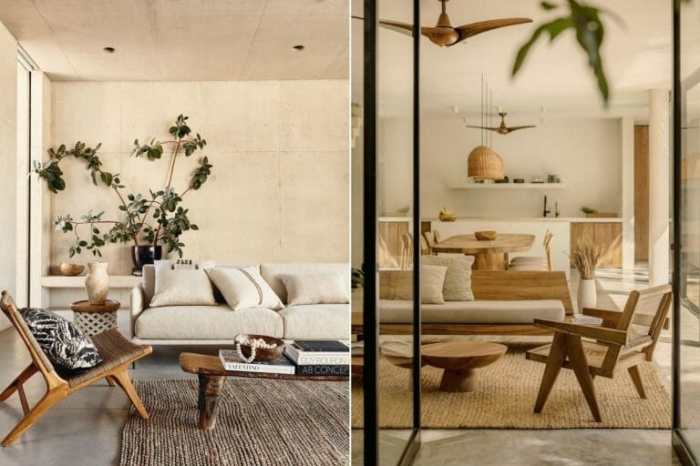
This is the essence of the Japandi style bench.
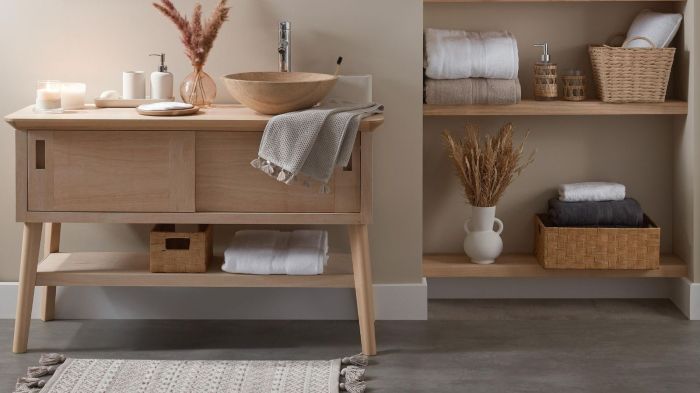
The design philosophy emphasizes clean lines, natural textures like wood and linen, and a neutral color palette. Often featuring low profiles and simple silhouettes, these benches offer a versatile seating solution for hallways, bedrooms, or even as a stylish addition to a living room. Their understated elegance enhances any interior without overpowering the overall design.
The Japandi style, a harmonious blend of Japanese and Scandinavian aesthetics, has captivated the hearts of design enthusiasts worldwide. Its minimalist approach, focus on natural materials, and emphasis on functionality have created a serene and sophisticated aesthetic that translates beautifully into various furniture pieces. Among these, the Japandi style bench stands out as a versatile and stylish addition to any home, offering both practicality and a touch of understated elegance.
This comprehensive guide delves into the nuances of Japandi benches, exploring their design elements, materials, placement options, and overall impact on interior design.
Understanding the Japandi Aesthetic
Before diving into the specifics of Japandi benches, it’s crucial to grasp the core principles of the Japandi style itself. It’s a fusion of two distinct yet surprisingly compatible design philosophies:
Japanese Design Principles:
- Minimalism: A focus on essential elements, avoiding clutter and unnecessary ornamentation.
- Natural Materials: A preference for organic materials like wood, bamboo, and natural fibers.
- Wabi-Sabi: An appreciation for imperfection and the beauty of natural aging and wear.
- Functionality: Emphasis on practicality and efficient use of space.
Scandinavian Design Principles:, Japandi style bench
- Functionality: Similar to Japanese design, functionality is paramount.
- Lightness and Airiness: Creating a sense of spaciousness through clean lines and light colors.
- Natural Light: Maximizing natural light to brighten and enhance the space.
- Simplicity: Clean lines, uncluttered surfaces, and a focus on essential forms.
The Japandi style seamlessly integrates these principles, resulting in a design that is both calming and sophisticated. This balance is perfectly reflected in the design of Japandi benches.
Key Features of a Japandi Style Bench
Japandi benches share several defining characteristics that distinguish them from other styles:
Materials:
- Light-colored wood: Ash, oak, birch, and pine are popular choices, often treated with natural oils or waxes to enhance their beauty and durability. The wood is typically left with a natural or minimally processed finish, showcasing its grain and texture.
- Bamboo: A sustainable and aesthetically pleasing material that adds a touch of organic warmth.
- Rattan or Wicker: These natural fibers can be incorporated into the bench’s design, adding a textural element and visual interest.
- Natural Fabrics: For upholstered benches, linen, cotton, or wool in neutral tones are common choices.
Design Elements:
- Clean Lines: Simple, unfussy designs with minimal ornamentation.
- Low Profile: Benches often have a low seat height, contributing to the overall sense of calmness and grounding.
- Simple Legs: Straight, tapered, or subtly curved legs are common, avoiding elaborate detailing.
- Neutral Color Palette: Off-whites, creams, light grays, and natural wood tones dominate the color scheme.
Placement and Styling of Japandi Benches
The versatility of Japandi benches allows them to be incorporated into a variety of spaces and settings:
Entryway:
A Japandi bench provides a practical and stylish spot to sit while putting on shoes or taking a moment to rest.
Bedroom:
Placed at the foot of the bed, a Japandi bench offers additional seating and a surface for storing blankets or clothes.
Living Room:
A Japandi bench can serve as extra seating, a coffee table alternative, or a decorative element in a minimalist living room.
Bathroom:
A smaller Japandi bench can provide a convenient spot to sit while getting ready or adding a touch of zen to a spa-like bathroom.
Styling Tips:
- Keep the surrounding area clutter-free to maintain the minimalist aesthetic.
- Use natural textiles like throws or cushions in neutral colors to enhance the bench’s appeal.
- Incorporate plants to add a touch of nature and life to the space.
- Pair the bench with other Japandi-inspired furniture and accessories.
DIY Japandi Bench Projects
For those with a DIY inclination, creating a Japandi bench can be a rewarding experience. Numerous online resources offer plans and tutorials for building your own bench, allowing for customization and personalization. Remember to prioritize safety and use appropriate tools and techniques.
Where to Buy Japandi Benches
Numerous retailers offer Japandi style benches, ranging from high-end designer pieces to more affordable options. Online marketplaces, furniture stores, and home décor boutiques are excellent places to start your search. Consider factors such as material, size, and budget when making your selection.
Frequently Asked Questions (FAQ)
- Q: What is the difference between a Japandi bench and a Scandinavian bench? A: While both styles emphasize minimalism and natural materials, Japandi incorporates more Japanese elements like wabi-sabi and a focus on imperfection, while Scandinavian design tends to be slightly brighter and more modern.
- Q: What are the best materials for a Japandi bench? A: Light-colored woods like oak, ash, or pine are popular choices, as are sustainable materials like bamboo and rattan.
- Q: How do I care for a Japandi bench made of wood? A: Regularly dust the bench and occasionally treat it with a natural wood oil or wax to maintain its beauty and protect it from damage.
- Q: Where can I find inspiration for styling a Japandi bench? A: Pinterest, Instagram, and home décor blogs are great resources for finding inspiration and styling ideas.
- Q: Are Japandi benches expensive? A: The price varies depending on the materials, size, and manufacturer. You can find both affordable and high-end options.
References
While specific product links are avoided to maintain best practices and avoid outdated links, searching for “[material] Japandi bench” or “Japandi bench [style]” on reputable online retailers will yield many results. For design inspiration, platforms like Pinterest and Instagram are invaluable resources. Look for reputable interior design blogs and magazines for further information on Japandi style and its application in home décor.
Call to Action
Ready to embrace the serene elegance of a Japandi style bench in your home? Start browsing today and discover the perfect piece to complement your interior design. Transform your space into a haven of calm and sophistication with the timeless appeal of a Japandi bench!
Q&A
What materials are typically used in Japandi style benches?
Common materials include light-colored woods like oak or ash, often combined with linen or cotton upholstery for cushions.
Are Japandi style benches suitable for outdoor use?
Generally, no. Most are designed for indoor use. However, some manufacturers may offer weather-resistant options.
How do I clean a Japandi style bench?
Cleaning instructions vary depending on the materials. Always refer to the manufacturer’s care instructions.