
Mid-century modern sofas represent a timeless blend of form and function, embodying the clean lines and minimalist aesthetic that defined the post-war era. These iconic pieces, often characterized by their tapered legs, organic curves, and use of quality materials like teak and wool, continue to captivate design enthusiasts. Their enduring appeal stems not only from their aesthetic elegance but also from their surprising comfort and adaptability to modern interiors.
This exploration delves into the history, design elements, and enduring legacy of the mid-century modern sofa.
From the iconic designs of Eero Saarinen and Paul McCobb to the more readily accessible reproductions available today, the mid-century modern sofa offers a wide range of styles and price points. Understanding the key characteristics – such as the use of natural materials, the emphasis on craftsmanship, and the focus on functionality – allows for informed purchasing decisions and ensures that the chosen piece complements its surroundings harmoniously.
Mid-century modern design, flourishing roughly from the 1930s to the 1960s, continues to captivate homeowners and design enthusiasts alike. Its clean lines, organic forms, and emphasis on functionality have ensured its enduring appeal. A key component of this aesthetic is the mid-century modern sofa, a piece of furniture that seamlessly blends style and comfort. This comprehensive guide delves into the defining characteristics, history, popular styles, and care tips for these iconic sofas, helping you navigate the world of mid-century modern furniture and find the perfect piece for your home.
Defining Characteristics of Mid-Century Modern Sofas
Mid-century modern sofas are easily recognizable by their distinct features. They often showcase a minimalist approach, eschewing excessive ornamentation in favor of clean lines and simple silhouettes. Key characteristics include:
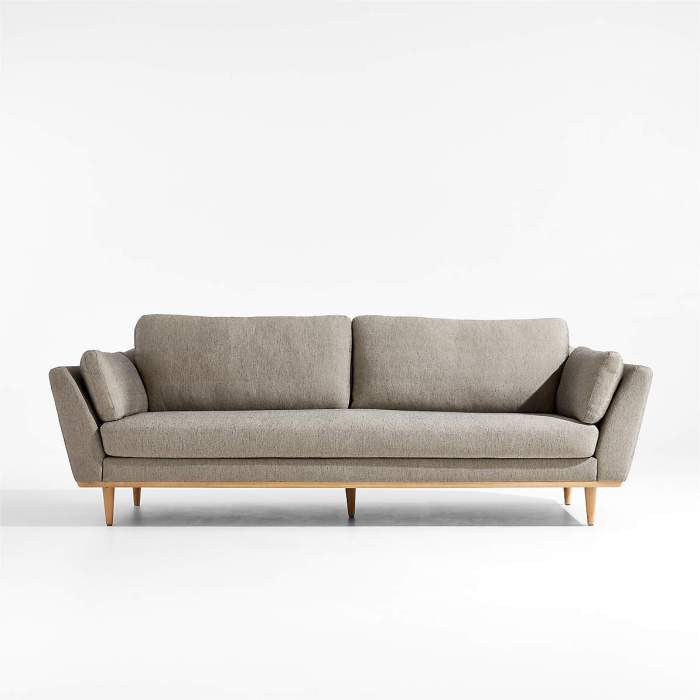
- Low-slung profile: Unlike their more traditional counterparts, mid-century modern sofas tend to sit lower to the ground, contributing to their sleek and uncluttered appearance.
- Tapered legs: Often made of wood, these legs are typically slender and tapered, adding to the sofa’s elegant and airy feel. Materials like walnut, teak, and oak were popular choices.
- Organic forms: While minimalist, many designs incorporate subtle curves and organic shapes, softening the overall aesthetic and preventing it from feeling overly stark.
- Simple upholstery: Upholstery choices frequently feature solid colors or subtle patterns, with fabrics like linen, wool, and leather being common selections. Bold colors were also utilized, often in shades of mustard yellow, teal, or burnt orange.
- Durable construction: Built to last, these sofas often utilize high-quality materials and craftsmanship, ensuring longevity and resilience.
A Brief History of Mid-Century Modern Sofa Design
The mid-century modern design movement emerged post-World War II, reflecting a shift towards functionality, optimism, and a rejection of overly ornate styles. Designers sought to create furniture that was both aesthetically pleasing and practical, catering to the needs of a growing middle class. This era saw the rise of iconic designers like Charles and Ray Eames, Eero Saarinen, and Paul McCobb, whose innovative designs significantly impacted the evolution of the mid-century modern sofa.
The use of new materials, such as plywood and molded plastic, allowed for innovative designs and mass production, making these sofas more accessible to a wider audience. The focus shifted from elaborate details to clean lines and simple forms, creating pieces that were both timeless and adaptable to various interior styles.
Popular Styles of Mid-Century Modern Sofas
The mid-century modern era encompasses a variety of styles, each with its unique characteristics. Some of the most popular styles include:
Tufted Sofas:, Mid-century modern sofa
Characterized by button tufting or channel tufting on the seat and back cushions, adding texture and visual interest to the otherwise minimalist design. This detail elevates the sophistication of the sofa.
Scandinavian Sofas:
These sofas often feature lighter wood legs, simple lines, and a focus on natural materials like wool and linen. They embody a sense of understated elegance and functionality, reflecting the Scandinavian design principles of simplicity and practicality. Think light and airy aesthetics.
Modular Sofas:
Offering flexibility and adaptability, modular sofas allow for customized configurations to suit different spaces and needs. Sections can be rearranged or added to as required, providing a versatile seating solution. This is especially beneficial for larger living spaces or open-plan layouts.
Danish Modern Sofas:
Often featuring organic curves and a focus on craftsmanship, Danish Modern sofas represent a refined and sophisticated take on mid-century modern design. They tend to incorporate high-quality materials and meticulous detailing, resulting in pieces that are both beautiful and durable.
Materials and Upholstery in Mid-Century Modern Sofas
The choice of materials significantly impacts the look and feel of a mid-century modern sofa. Popular choices include:
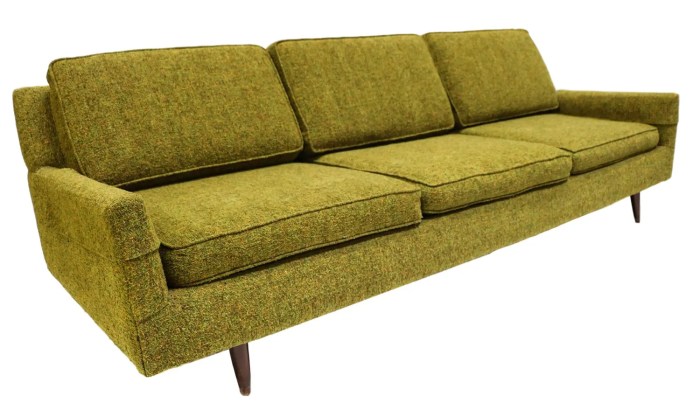
- Wood: Teak, walnut, and oak were favored for their durability and rich tones. These woods often feature a natural finish or a simple stain, highlighting their inherent beauty.
- Upholstery Fabrics: Linen, wool, velvet, and leather are common choices. Linen offers a relaxed, breathable feel, while wool provides warmth and durability. Velvet adds a touch of luxury, and leather offers a classic, sophisticated look.
- Metal: While less common than wood, metal legs or accents can add a contemporary twist to a mid-century modern sofa.
Caring for Your Mid-Century Modern Sofa
To preserve the beauty and longevity of your mid-century modern sofa, proper care is essential:
- Regular vacuuming: Regularly vacuum your sofa to remove dust and debris, preventing the buildup of dirt that can damage the fabric.
- Spot cleaning: Address spills and stains promptly using appropriate cleaning solutions. Always test any cleaning product on an inconspicuous area first.
- Professional cleaning: Consider professional cleaning every 1-2 years to maintain the fabric’s appearance and extend its lifespan.
- Protection from sunlight: Direct sunlight can fade upholstery and damage the wood. Use curtains or blinds to protect your sofa from excessive sun exposure.
- Avoid harsh chemicals: Avoid using harsh chemicals or abrasive cleaners, as these can damage the fabric or wood.
Finding Authentic Mid-Century Modern Sofas
Finding authentic mid-century modern sofas can require some research and effort. Consider these options:
- Antique shops and flea markets: These locations often hold hidden gems, offering a chance to discover unique and well-preserved pieces.
- Online marketplaces: Websites like eBay and Etsy offer a wide selection of mid-century modern sofas, though careful vetting is necessary to ensure authenticity.
- Auction houses: Auction houses frequently feature high-quality mid-century modern furniture, but prices can be higher.
- Reputable furniture dealers: Specialized dealers often carry a curated selection of authentic mid-century modern pieces.
Frequently Asked Questions (FAQ)
- Q: How can I tell if a sofa is truly mid-century modern? A: Look for the characteristic features discussed above: low-slung profile, tapered legs, simple upholstery, and organic forms. Research the maker’s marks or tags for verification.
- Q: How much does a mid-century modern sofa cost? A: Prices vary widely depending on the maker, condition, and rarity. Expect to pay anywhere from a few hundred to several thousand dollars.
- Q: How do I reupholster a mid-century modern sofa? A: Reupholstering can be a complex process. It’s best to consult with a professional upholsterer who has experience with mid-century modern furniture.
- Q: What are some modern interpretations of mid-century modern sofas? A: Many contemporary furniture designers create pieces inspired by mid-century modern aesthetics, incorporating updated materials and design elements while maintaining the core principles of the style.
- Q: How do I clean a leather mid-century modern sofa? A: Use a leather cleaner specifically designed for leather furniture. Always test the cleaner on an inconspicuous area first.
Conclusion
Mid-century modern sofas represent a timeless blend of style and functionality. Their enduring appeal stems from their clean lines, comfortable design, and adaptability to various interior styles. By understanding their defining characteristics, history, and care requirements, you can confidently select and maintain a mid-century modern sofa that will be a cherished piece in your home for years to come.
Call to Action
Ready to add a touch of mid-century modern elegance to your living space? Start browsing our collection of authentic and inspired mid-century modern sofas today! Click here to view our catalog.
Clarifying Questions
How do I clean a mid-century modern sofa?
Cleaning methods vary depending on the upholstery material. Always check the manufacturer’s care instructions. Generally, vacuuming regularly and spot-cleaning spills immediately is recommended. Professional cleaning may be necessary periodically.
How can I identify an authentic mid-century modern sofa?
Look for characteristic design elements like tapered legs, simple lines, organic curves, and the use of quality materials like teak, walnut, or wool. Researching known designers and manufacturers of the era can also help authenticate a piece.
What are the common wear and tear issues with mid-century modern sofas?
Common issues include fabric wear, loose joints, and damage to the wooden frame. Regular maintenance and professional restoration can help prolong the lifespan of these pieces.