
Art Deco inspired furniture evokes a sense of glamour and sophistication, transporting us back to the roaring twenties and thirties. This style, characterized by geometric shapes, streamlined forms, and luxurious materials, continues to captivate designers and homeowners alike. Its enduring appeal lies in its ability to blend elegance with modernity, creating spaces that are both timeless and strikingly contemporary.
We’ll explore the key elements that define Art Deco furniture, from its iconic zigzags and sunbursts to its rich use of exotic woods and metallic accents.
The influence of Art Deco extends beyond mere aesthetics; it reflects a period of significant technological advancement and social change. The streamlined forms, for instance, often mirror the advancements in transportation and industrial design of the era. The use of luxurious materials, like lacquer, chrome, and inlaid woods, speaks to the prosperity and optimism of the time. Understanding this historical context enhances our appreciation for the enduring legacy of Art Deco furniture.
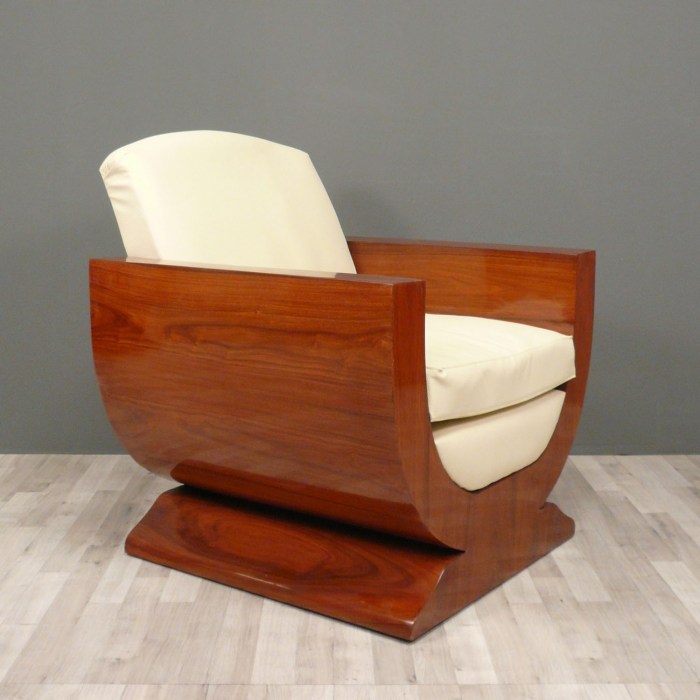
Art Deco, a design movement flourishing in the 1920s and 30s, left an indelible mark on the world of design, and its influence on furniture is still highly sought after today. Characterized by its geometric shapes, luxurious materials, and streamlined elegance, Art Deco furniture pieces exude a sense of sophistication and timeless appeal. This comprehensive guide delves into the key features, materials, iconic designers, and enduring legacy of Art Deco inspired furniture, providing a detailed understanding for both enthusiasts and those new to this captivating style.
Key Characteristics of Art Deco Furniture
Art Deco furniture is easily recognizable by its distinctive features. Understanding these characteristics is crucial when identifying and appreciating authentic or inspired pieces. These include:
- Geometric Shapes: Sharp angles, zigzags, chevrons, and stepped forms are prevalent. Circles, squares, and triangles are often combined in innovative ways.
- Streamlined Forms: A sense of movement and speed is often conveyed through elongated silhouettes and smooth, curving lines, contrasting with the sharp angles.
- Luxurious Materials: High-quality materials such as ebony, mahogany, chrome, lacquer, and exotic veneers were favored. Inlays of mother-of-pearl, ivory, and other precious materials were common.
- Bold Color Palettes: Rich, deep colors like black, gold, crimson, and emerald green were popular, often contrasted with lighter shades like cream or ivory.
- Emphasis on Functionality: While aesthetically striking, Art Deco furniture was also designed to be functional and comfortable. Ergonomics played a role, though not to the same extent as in later design movements.
- Use of Modern Materials: The incorporation of new materials like Bakelite and chrome showcased the era’s embrace of technological advancements.
Iconic Art Deco Furniture Pieces
Several iconic pieces of Art Deco furniture have cemented their place in design history. These include:
- Club Chairs and Sofas: Characterized by their low-slung profile, often featuring chevron patterns or stepped detailing.
- Vanity Tables and Dressing Tables: Often incorporating mirrored surfaces and intricate metalwork.
- Cocktail Cabinets and Bars: Showcasing luxurious materials and intricate detailing, reflecting the era’s social scene.
- Sideboards and Credenzas: Frequently featuring geometric patterns and inlaid materials.
- Writing Desks and Secretaries: Often incorporating sleek lines and modern materials.
Notable Art Deco Designers and Their Contributions
Many talented designers contributed to the Art Deco movement’s rich legacy in furniture. Some key figures include:
- Jacques Ruhlmann: Known for his luxurious furniture crafted from exotic woods and featuring exquisite marquetry.
- Emile-Jacques Ruhlmann: A master craftsman known for his exceptional furniture design and meticulous craftsmanship.
- Paul Follot: A prominent designer whose work exemplified the movement’s blend of geometric forms and luxurious materials.
- Jean Dunand: Famous for his lacquer work, often incorporating intricate designs and metallic accents.
Materials Used in Art Deco Furniture
The choice of materials played a significant role in defining the Art Deco aesthetic. The luxurious nature of these materials contributed to the overall sense of opulence and sophistication:
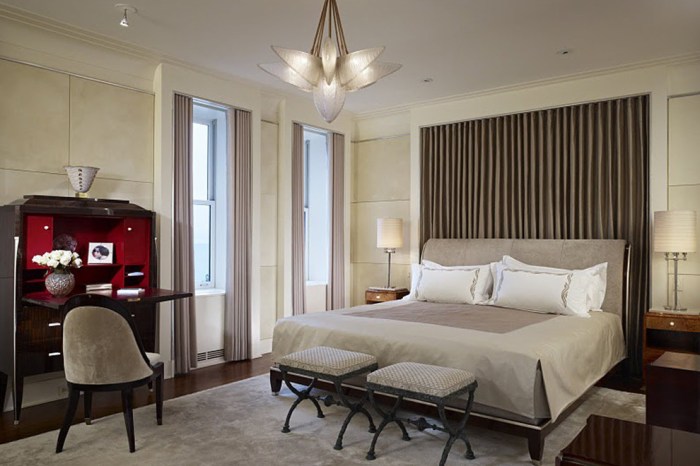
- Exotic Woods: Macassar ebony, rosewood, and mahogany were highly prized for their rich color and grain.
- Metals: Chrome, nickel, and brass were frequently used for decorative accents and structural elements.
- Lacquer: Highly polished lacquer finishes added a layer of sheen and allowed for intricate designs.
- Glass: Clear and colored glass was used in various applications, including tabletops and cabinet doors.
- Inlays: Materials like mother-of-pearl, ivory, and semi-precious stones were used for decorative inlays, adding to the luxurious feel.
The Enduring Legacy of Art Deco Furniture
Art Deco’s influence continues to resonate in contemporary design. Its timeless elegance and sophisticated aesthetic remain highly sought after. Many modern designers draw inspiration from Art Deco principles, resulting in pieces that blend classic styles with modern sensibilities. The geometric patterns, luxurious materials, and streamlined forms continue to inspire furniture design today, proving the enduring appeal of this iconic movement.
Art Deco Furniture: Frequently Asked Questions (FAQ)
- Q: How can I identify genuine Art Deco furniture? A: Look for the characteristic features mentioned above, including geometric shapes, streamlined forms, luxurious materials, and bold color palettes. Authentic pieces will often bear maker’s marks or labels.
- Q: Where can I find Art Deco inspired furniture? A: You can find Art Deco inspired furniture in antique shops, auction houses, online marketplaces, and specialty furniture stores. Many contemporary designers also create pieces inspired by the Art Deco style.
- Q: How do I care for Art Deco furniture? A: Proper care involves dusting regularly with a soft cloth, avoiding harsh chemicals, and using coasters to protect surfaces. For more delicate pieces, professional cleaning and restoration may be necessary.
- Q: What is the difference between Art Deco and Art Nouveau furniture? A: Art Nouveau features flowing, organic lines and natural motifs, while Art Deco is characterized by geometric shapes, streamlined forms, and a more industrial aesthetic.
- Q: How much does Art Deco furniture cost? A: The price of Art Deco furniture varies greatly depending on the piece’s age, condition, maker, and materials. Authentic pieces can range from a few hundred to tens of thousands of dollars.
Resources
Call to Action: Art Deco Inspired Furniture
Ready to add a touch of Art Deco elegance to your home? Explore our curated collection of Art Deco inspired furniture and find the perfect piece to complement your style. Browse our online catalog or visit our showroom today!
FAQ Section
What materials are commonly used in Art Deco inspired furniture?
Common materials include exotic woods (like ebony and mahogany), chrome, lacquer, glass, and various types of stone.
How can I incorporate Art Deco style into my modern home?
Start with a statement piece, such as an armchair or a side table. You can also incorporate Art Deco patterns and colors through textiles, wallpaper, or artwork.
Are reproductions of Art Deco furniture readily available?
Yes, many companies produce high-quality reproductions of Art Deco furniture, offering a range of styles and price points.
How do I distinguish authentic Art Deco from imitations?
Authentic pieces often exhibit superior craftsmanship, unique materials, and specific design details that are harder to replicate. Researching the maker’s marks and historical context can also help.