
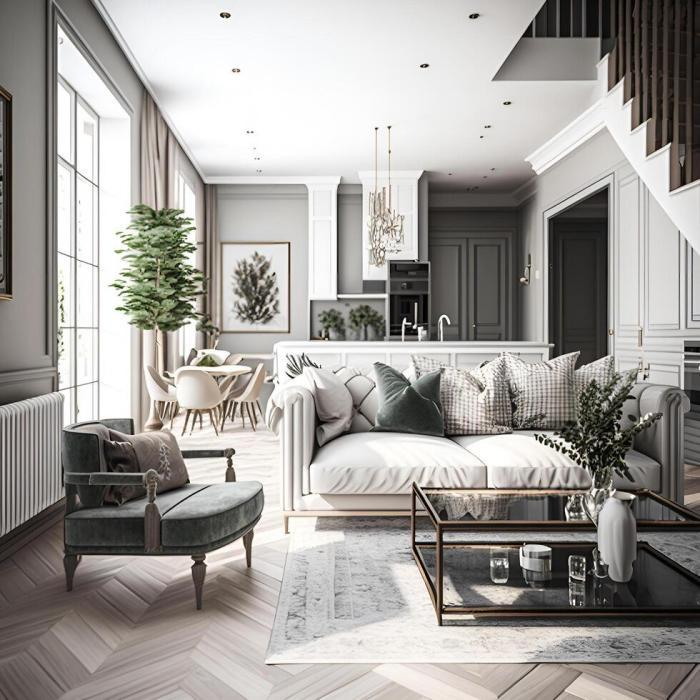
Modern aesthetic home furniture seamlessly blends form and function, creating spaces that are both stylish and comfortable. This exploration delves into the key elements that define this popular design trend, examining the materials, shapes, and overall aesthetic that characterize modern furniture. We’ll consider how these pieces contribute to a cohesive and inviting home environment, reflecting personal style while maintaining a sense of contemporary elegance.
From minimalist lines and sleek silhouettes to the incorporation of natural materials and sustainable practices, modern aesthetic furniture offers a diverse range of options to suit various tastes and lifestyles. This adaptable style can be integrated into various interior design schemes, ranging from minimalist modern to eclectic contemporary spaces. We’ll examine specific examples and design considerations to illustrate the versatility and enduring appeal of this furniture style.
Modern aesthetic home furniture represents a fascinating blend of form and function, prioritizing clean lines, minimalist designs, and high-quality materials. It’s more than just furniture; it’s a statement about personal style, reflecting a preference for simplicity, sophistication, and a touch of contemporary flair. This guide delves deep into the world of modern aesthetic furniture, exploring its defining characteristics, popular styles, key materials, and how to incorporate it into your home.
Defining Modern Aesthetic Furniture: Modern Aesthetic Home Furniture
Modern aesthetic furniture isn’t simply “modern” furniture; it encompasses a specific design philosophy. It avoids excessive ornamentation and focuses on creating pieces that are both visually appealing and practical. Key characteristics include:
- Clean Lines and Simple Shapes: Geometric forms, straight lines, and a lack of fussy details are paramount. Think sleek sofas, minimalist coffee tables, and chairs with uncluttered silhouettes.
- Neutral Color Palettes: While pops of color can be incorporated strategically, the foundation of modern aesthetic design often rests on a neutral base of whites, grays, blacks, and beiges. This allows the furniture’s form and texture to take center stage.
- High-Quality Materials: Durability and longevity are valued. Expect to see materials like solid wood (oak, walnut, ash), high-quality leather or faux leather, and sustainable fabrics.
- Functionality and Ergonomics: Modern aesthetic furniture is designed to be comfortable and practical. Pieces are often multi-functional, serving multiple purposes within a space.
- Minimalist Approach: The overall aesthetic avoids clutter and emphasizes open spaces. Furniture is carefully chosen to complement the room rather than overwhelm it.
Popular Styles within Modern Aesthetic Furniture
While the core principles remain consistent, several sub-styles exist within the broader category of modern aesthetic furniture:
Mid-Century Modern:
This style, popularized in the mid-20th century, features organic shapes, tapered legs, and a focus on functionality. Think iconic Eames chairs and sleek, low-slung sofas. Materials often include teak, walnut, and molded plywood.
Scandinavian Design:, Modern aesthetic home furniture
Scandinavian design emphasizes simplicity, functionality, and natural materials. Light woods, muted colors, and clean lines are hallmarks of this style. It often incorporates elements of minimalism and functionality.
Contemporary Design:
Contemporary design is a more fluid and evolving style, incorporating modern elements with a focus on current trends. It can be minimalist but may also incorporate bolder colors or textures than strictly modern aesthetic styles.
Industrial Chic:
Industrial chic blends raw, industrial materials (metal, concrete, exposed brick) with sleek, modern furniture. This style often features metal accents, reclaimed wood, and a slightly more rugged aesthetic.
Key Materials in Modern Aesthetic Furniture
The choice of materials significantly impacts the overall look and feel of modern aesthetic furniture. Some of the most commonly used materials include:
- Wood: Solid wood, particularly oak, walnut, and ash, is a popular choice for its durability, beauty, and natural warmth. Sustainable sourcing is increasingly important.
- Leather and Faux Leather: Leather offers a luxurious and durable upholstery option, while faux leather provides a more budget-friendly alternative with similar aesthetic qualities.
- Fabric: Modern aesthetic furniture often uses durable and easy-to-clean fabrics like linen, cotton, and microfiber. Neutral colors are typically preferred.
- Metal: Steel, aluminum, and brass are used for accents, legs, and frames, adding a touch of industrial chic or a sleek, contemporary feel.
- Stone and Concrete: These materials can be incorporated into coffee tables or other pieces to add a textural element and a sense of weight and solidity.
Incorporating Modern Aesthetic Furniture into Your Home
Creating a cohesive modern aesthetic space requires careful planning and consideration. Here are some tips:
- Start with a Neutral Base: Paint your walls in neutral shades to create a clean backdrop for your furniture.
- Choose a Focal Point: Select one or two statement pieces that will anchor the room’s design.
- Consider the Scale and Proportion: Ensure your furniture is appropriately sized for the space.
- Layer Textures and Materials: Introduce different textures through rugs, throws, and cushions to add warmth and visual interest.
- Minimize Clutter: Keep surfaces clear and organized to maintain a clean and uncluttered aesthetic.
- Add Greenery: Plants can add life and vibrancy to a modern aesthetic space.
- Incorporate Lighting: Strategic lighting can highlight architectural details and create a warm and inviting atmosphere.
Frequently Asked Questions (FAQ)
- Q: What is the difference between modern and contemporary furniture? A: Modern furniture refers to a specific design movement from the early to mid-20th century, while contemporary furniture encompasses current trends and styles.
- Q: How can I make my modern aesthetic furniture more affordable? A: Consider using a mix of high-end and budget-friendly pieces. Look for sales and discounts, and explore affordable alternatives like faux leather or sustainable fabrics.
- Q: Where can I find modern aesthetic furniture? A: Many online retailers and brick-and-mortar stores offer modern aesthetic furniture. Consider searching for specific styles (e.g., “Scandinavian furniture,” “mid-century modern sofas”).
- Q: How do I maintain modern aesthetic furniture? A: Regular dusting and cleaning are essential. Specific care instructions will vary depending on the materials used.
- Q: Can I mix and match different styles within a modern aesthetic space? A: Yes, you can incorporate elements from different modern styles, but maintaining a consistent color palette and overall aesthetic is key.
Resources
- Dwell Magazine
– A great resource for modern design inspiration. - Apartment Therapy
-Offers practical advice and design ideas for various styles. - Designboom
-Features news and articles on contemporary design.
Call to Action
Ready to transform your home with the elegance and sophistication of modern aesthetic furniture? Start browsing today and discover the perfect pieces to create your dream space!
Helpful Answers
What are some popular materials used in modern aesthetic furniture?
Popular materials include wood (especially light woods like oak and ash), metal (steel, aluminum), glass, and concrete, often combined with natural fabrics like linen and wool.
How can I incorporate modern aesthetic furniture into an existing space?

Start by identifying one or two key pieces, such as a sofa or coffee table, that embody the modern aesthetic. Then, incorporate complementary accessories and artwork to create a cohesive look. Consider the existing color palette and add pops of color strategically.
What is the difference between modern and contemporary furniture?

While often used interchangeably, “modern” refers to a specific historical period (mid-20th century), while “contemporary” refers to current trends. Modern aesthetic furniture often draws inspiration from mid-century modern designs, while contemporary furniture reflects current design styles.