
Minimalist modern interior decor offers a refreshing approach to home design, emphasizing clean lines, functionality, and a sense of calm. This style prioritizes quality over quantity, focusing on carefully selected pieces that contribute to a serene and sophisticated atmosphere. We’ll explore key elements, from furniture choices to color palettes, to help you achieve this effortlessly chic aesthetic in your own space.
The beauty of minimalist modern design lies in its adaptability. It can be incorporated into various living spaces, from small apartments to expansive homes, by focusing on maximizing space and light. By understanding the core principles – simplicity, functionality, and a neutral color scheme – you can create a space that is both visually appealing and incredibly practical.
Minimalist modern interior design is more than just a trend; it’s a lifestyle choice reflecting a preference for clean lines, functionality, and a sense of calm. This style prioritizes quality over quantity, emphasizing essential pieces and thoughtful spatial arrangement to create a serene and sophisticated living environment. This comprehensive guide delves into the key elements, principles, and practical applications of minimalist modern decor, offering a detailed understanding for both seasoned design enthusiasts and newcomers alike.
Understanding the Core Principles of Minimalist Modern Design
Minimalist modern design is characterized by its intentional simplicity. It’s not about emptiness, but about curating a space that is both aesthetically pleasing and highly functional. Key principles include:
Simplicity and Functionality:
Every item in a minimalist modern space serves a purpose. Clutter is avoided, and only essential furniture and décor are included. Functionality dictates form, ensuring that each piece contributes to the overall usability and flow of the room. This focus on practicality extends to the choice of materials, opting for durable, long-lasting pieces that stand the test of time.
Neutral Color Palette:
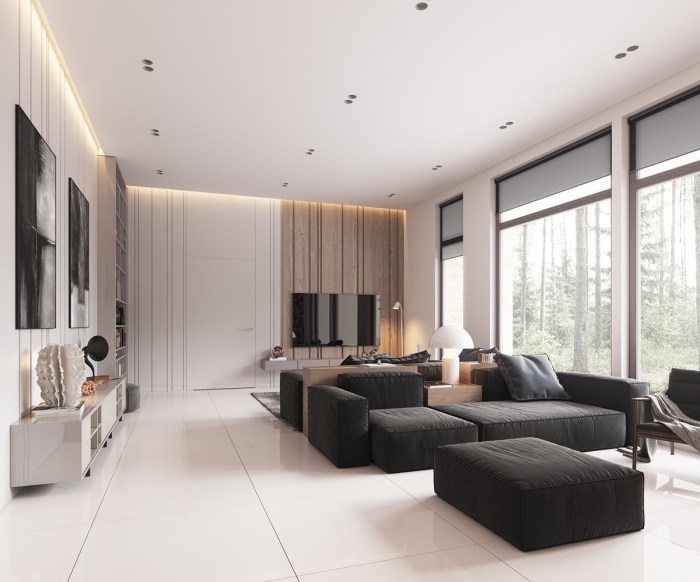
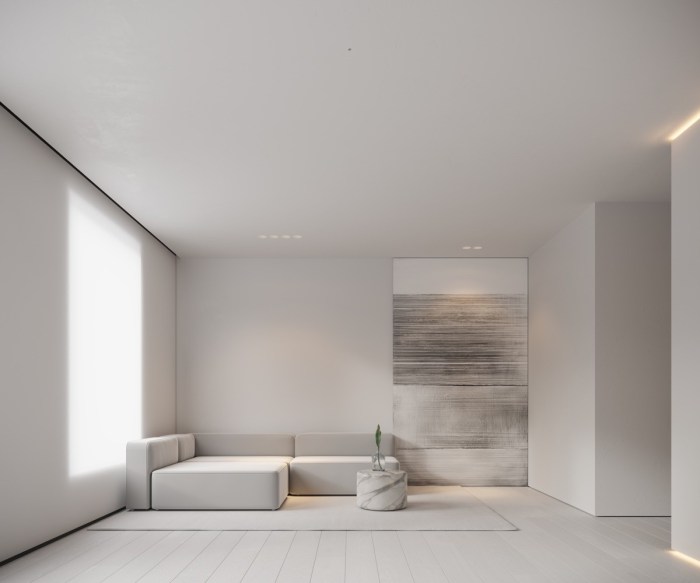
A minimalist modern aesthetic typically employs a neutral color palette, often featuring shades of white, gray, beige, and black. These colors create a sense of spaciousness and calm, providing a clean backdrop for pops of color or texture when desired. The use of a limited color scheme enhances the feeling of order and tranquility. However, this doesn’t exclude the use of accent colors; they are used sparingly and strategically to add visual interest.
Clean Lines and Geometric Shapes:
Furniture and décor in minimalist modern design feature clean lines and geometric shapes. Avoid overly ornate or fussy pieces. Simple, streamlined silhouettes are preferred, creating a sense of visual harmony and balance. This emphasis on geometric forms contributes to the overall sense of order and sophistication.
Natural Light and Airiness:, Minimalist modern interior decor
Maximize natural light by using sheer curtains or leaving windows unobstructed. This creates an airy and open feel, enhancing the sense of spaciousness. Mirrors can also be strategically placed to reflect light and further amplify the feeling of openness. The goal is to make the space feel bright, inviting, and uncluttered.
High-Quality Materials:
Minimalist modern design prioritizes quality over quantity. Invest in durable, high-quality materials that will last. Natural materials like wood, stone, and linen are often favored for their inherent beauty and sustainability. These materials add a touch of warmth and sophistication to the minimalist aesthetic, counterbalancing the clean lines and neutral colors.
Key Elements of Minimalist Modern Interior Design
Furniture Selection:
Choose multi-functional furniture pieces that maximize space and storage. Consider sofas with built-in storage, ottomans that double as coffee tables, or beds with drawers underneath. Opt for simple, uncluttered designs in neutral colors. Avoid overly ornate or bulky furniture.
Lighting Design:
Lighting plays a crucial role in creating the desired atmosphere. Incorporate a combination of ambient, task, and accent lighting. Recessed lighting, pendant lights, and floor lamps can all be used to create a layered and dynamic lighting scheme. Avoid harsh overhead lighting, opting instead for softer, more diffused light sources.
Textiles and Fabrics:
Select high-quality textiles in natural materials like linen, cotton, or wool. Neutral colors are preferred, but you can incorporate subtle textures to add visual interest. Keep textiles minimal, avoiding excessive layering or patterns. A simple throw blanket or a few well-placed cushions can add warmth and comfort without overwhelming the space.
Decorative Accents:
Decorative accents should be used sparingly. Choose a few carefully selected pieces that add personality and visual interest without cluttering the space. Consider incorporating artwork, plants, or sculptures in simple, geometric shapes. Avoid overly ornate or fussy décor.
Storage Solutions:
Effective storage is essential in maintaining a minimalist aesthetic. Invest in storage solutions that are both functional and visually appealing. Built-in shelving, drawers, and cabinets can help to keep clutter hidden and organized. Choose storage solutions that blend seamlessly with the overall design of the space.
Creating a Minimalist Modern Living Room
The living room is often the heart of the home, and a minimalist modern approach can transform it into a serene and inviting space. Focus on a comfortable seating arrangement, incorporating a sofa, armchairs, and a coffee table. Keep the color palette neutral, using pops of color strategically. Incorporate natural light and add a few carefully selected decorative accents.
Minimalist Modern Bedroom Design: Minimalist Modern Interior Decor
A minimalist modern bedroom should be a sanctuary of peace and tranquility. Choose a comfortable bed with simple lines and a neutral color scheme. Keep the bedside tables minimal, with only essential items like a lamp and a book. Incorporate soft lighting and ensure adequate storage for clothing and personal belongings.
Minimalist Modern Kitchen Design
A minimalist modern kitchen is characterized by its clean lines, sleek surfaces, and efficient layout. Choose simple cabinetry in neutral colors, and incorporate high-quality appliances. Keep countertops clear and organized, and utilize storage solutions to keep clutter hidden. Incorporate natural light and add a few carefully selected decorative accents.
Frequently Asked Questions (FAQ)
- Q: Is minimalist modern design expensive? A: While high-quality materials can be costly, minimalist design prioritizes quality over quantity. By investing in fewer, well-chosen pieces, you can create a stylish and functional space without breaking the bank. Careful planning and strategic sourcing can help to keep costs under control.
- Q: Is minimalist design boring? A: Minimalist design is not about emptiness but about intentional simplicity. It’s about creating a calm and sophisticated space by carefully selecting high-quality pieces and focusing on functionality. With careful consideration of texture, materials, and strategic pops of color, minimalist design can be anything but boring.
- Q: How do I incorporate personal style into a minimalist design? A: Personal style can be incorporated through carefully selected decorative accents, artwork, or unique textiles. Choose pieces that reflect your personality and interests while remaining true to the minimalist aesthetic. Remember, less is more.
- Q: How do I declutter my home for a minimalist approach? A: Decluttering is a crucial step in creating a minimalist space. Start by sorting through your belongings, discarding items you no longer need or use. Donate or sell unwanted items. Once decluttered, focus on organizing your remaining belongings efficiently.
- Q: Where can I find inspiration for minimalist modern design? A: Numerous online resources, including design blogs, magazines, and social media platforms like Pinterest and Instagram, offer inspiration for minimalist modern design. Browse through images and identify elements that resonate with your personal style and preferences.
Resources
Call to Action
Ready to transform your living space into a minimalist modern haven? Start by decluttering and assessing your current furniture and décor. Then, begin incorporating the principles and elements discussed in this guide to create a space that is both stylish and functional. Embrace the simplicity and enjoy the tranquility of your newly designed minimalist modern home!
Question Bank
What colors are best for minimalist modern decor?
Neutral palettes are key, such as whites, grays, beiges, and blacks. Accents of muted blues, greens, or even warm browns can add depth without overwhelming the space.
How can I incorporate texture in a minimalist space?
Use natural materials like wood, stone, or linen to add visual interest and warmth without cluttering the space. A textured rug or throw blanket can also make a big difference.
Is minimalist decor expensive?
Not necessarily. While investing in high-quality pieces is important, focusing on fewer, carefully selected items can be more cost-effective than accumulating many inexpensive pieces.