
Modern minimalist furniture sets the stage for a discussion of clean lines, functional design, and the enduring appeal of less-is-more aesthetics. This style prioritizes simplicity and practicality, creating spaces that are both visually calming and highly efficient. We’ll explore the key characteristics of this popular design trend, examining its history, influential designers, and its ongoing relevance in contemporary interiors.
From iconic mid-century modern pieces to the latest innovations in sustainable materials, modern minimalist furniture offers a diverse range of options to suit various tastes and lifestyles. We’ll delve into the versatility of this style, showcasing how it can be adapted to create a variety of moods and atmospheres, from serene and meditative spaces to vibrant and energetic environments.
The impact of minimalist design on overall well-being will also be considered.
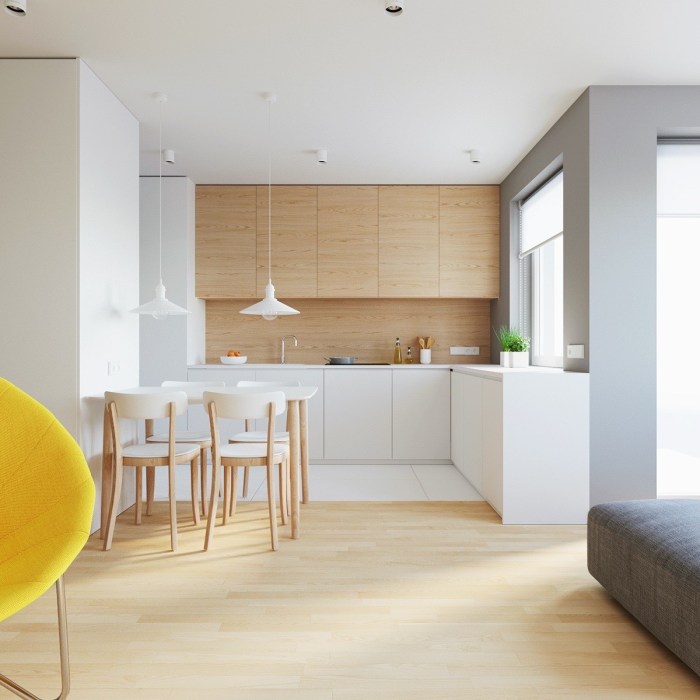
Modern minimalist furniture has taken the design world by storm, offering a clean, uncluttered aesthetic that appeals to a wide range of tastes. This style prioritizes functionality, simplicity, and a focus on essential elements, creating spaces that are both stylish and calming. This comprehensive guide delves into the key characteristics, design principles, materials, and benefits of incorporating modern minimalist furniture into your home or office.
Defining Modern Minimalist Furniture
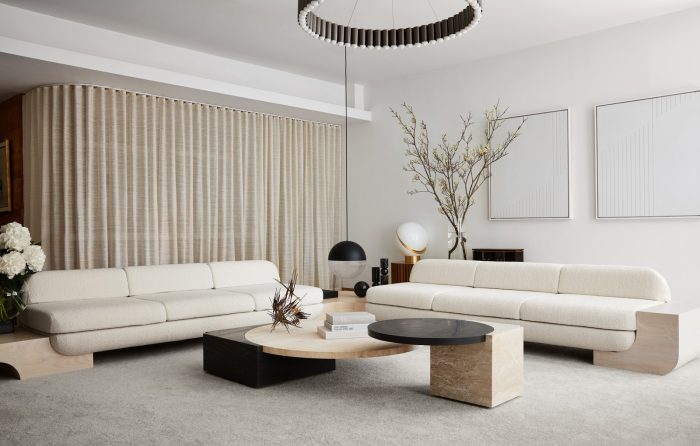
Modern minimalist furniture is characterized by its streamlined forms, neutral color palettes, and the absence of unnecessary ornamentation. It emphasizes clean lines, geometric shapes, and a focus on functionality. Unlike some minimalist styles that can feel stark or cold, modern minimalism often incorporates subtle textures and natural materials to add warmth and visual interest. Think sleek sofas with understated detailing, simple wooden coffee tables, and chairs with clean silhouettes.
The overall effect is one of sophisticated simplicity and understated elegance.
Key Characteristics of Modern Minimalist Furniture:
- Clean Lines and Geometric Shapes: Avoids ornate details and curves in favor of straight lines and geometric forms.
- Neutral Color Palette: Primarily uses shades of white, gray, beige, black, and natural wood tones. Pops of color are used sparingly to create visual interest.
- Multi-functional Pieces: Furniture often serves multiple purposes, maximizing space and efficiency.
- High-Quality Materials: Emphasizes the use of durable, high-quality materials such as natural wood, leather, and metal.
- Minimalist Ornamentation: Avoids excessive decoration or embellishment.
- Emphasis on Functionality: Prioritizes practicality and ease of use.
Materials Used in Modern Minimalist Furniture
The choice of materials is crucial in achieving the desired aesthetic of modern minimalism. Natural materials are often favored for their inherent beauty and sustainability. Common materials include:
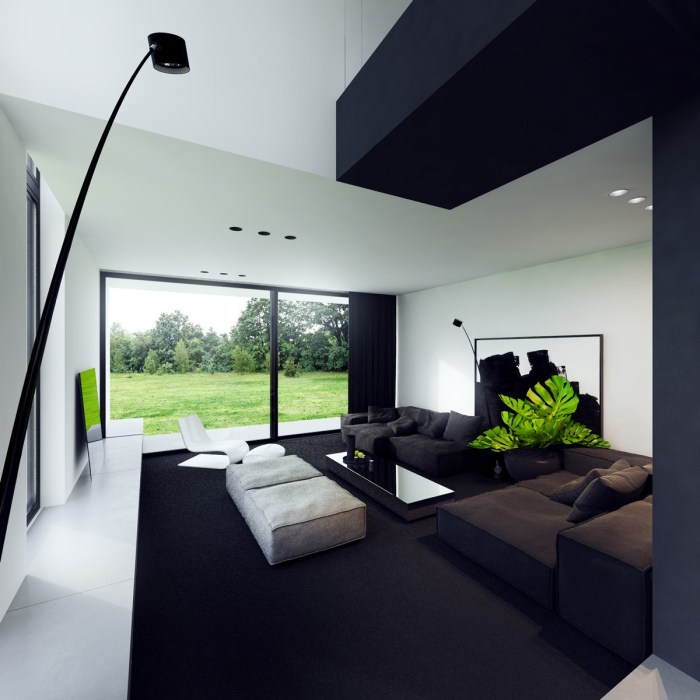
- Wood: Light-colored woods like oak, ash, and birch are popular choices, often left in their natural state or with a simple finish.
- Metal: Steel, aluminum, and brass are frequently used for their sleek appearance and durability. Often powder-coated in neutral colors.
- Leather and Upholstery Fabrics: High-quality leather or simple, neutral-colored fabrics are used for upholstery, adding a touch of warmth and texture.
- Stone: Marble and concrete can be incorporated into coffee tables or other accent pieces for a sophisticated touch.
- Glass: Clear or frosted glass is sometimes used for tabletops or shelving, adding a sense of lightness and transparency.
Popular Modern Minimalist Furniture Pieces
Several key furniture pieces are commonly associated with modern minimalist design:
- Modular Sofas: Offer flexibility and adaptability to different spaces and needs.
- Sleek Coffee Tables: Often made of wood, metal, or glass, with simple, geometric designs.
- Minimalist Chairs: Clean lines, simple shapes, and comfortable seating are key features.
- Floating Shelves: Maximize space and create a clean, uncluttered look.
- Platform Beds: Low-profile beds with a simple frame create a sense of spaciousness.
- Simple Dining Tables: Often made of wood or metal, with a minimalist design.
Incorporating Modern Minimalist Furniture into Your Home
Creating a modern minimalist space requires careful consideration of furniture placement, color palettes, and accessories. Here are some tips for successfully incorporating this style into your home:
- Start with a neutral base: Use neutral colors for walls, floors, and larger furniture pieces.
- Choose multi-functional furniture: Select pieces that serve multiple purposes to maximize space.
- Keep accessories to a minimum: Avoid clutter by using only essential accessories.
- Incorporate natural light: Maximize natural light to create a bright and airy space.
- Add texture with natural materials: Balance the clean lines with natural textures like wood or wool.
- Consider the scale of furniture: Choose furniture that is appropriately sized for the room.
Benefits of Modern Minimalist Furniture
Beyond its aesthetic appeal, modern minimalist furniture offers several practical benefits:
- Creates a sense of calm and serenity: The clean lines and uncluttered look promote relaxation and reduce stress.
- Maximizes space: The efficient design makes the most of available space.
- Easy to clean and maintain: The simple designs make cleaning and upkeep straightforward.
- Timeless appeal: Minimalist styles tend to remain stylish over time, avoiding the need for frequent updates.
- Promotes focus and productivity: The uncluttered environment can enhance focus and productivity in workspaces.
Frequently Asked Questions (FAQ)
- Q: Is minimalist furniture expensive? A: The cost can vary greatly depending on the materials and brand. While some high-end pieces can be expensive, many affordable options are available.
- Q: How can I add personality to a minimalist space? A: Incorporate pops of color through artwork, textiles, or plants. Unique textures and carefully chosen accessories can also add personality without compromising the minimalist aesthetic.
- Q: Is minimalist furniture suitable for families with children? A: While it requires more careful maintenance, minimalist furniture can be suitable for families. Choosing durable materials and focusing on functionality is key.
- Q: Where can I find modern minimalist furniture? A: Many online retailers and brick-and-mortar stores offer modern minimalist furniture. Research different brands and styles to find what best suits your needs and budget.
- Q: How do I avoid a sterile feel with minimalist furniture? A: Incorporate natural elements like plants, wooden accents, and textured fabrics to add warmth and prevent the space from feeling cold and impersonal.
Resources
- Dwell Magazine
-A great resource for modern design inspiration. - Architectural Digest
-Features articles and photos of beautifully designed minimalist spaces. - Apartment Therapy
-Offers practical tips and advice on home design and organization.
Call to Action
Ready to transform your living space with the elegance and simplicity of modern minimalist furniture? Browse our curated collection today and discover the perfect pieces to create your dream minimalist haven!
FAQ Corner
What materials are commonly used in modern minimalist furniture?
Common materials include wood (often light-colored woods like oak or birch), metal (steel, aluminum), and concrete. Sustainable and recycled materials are also increasingly popular.
How can I incorporate modern minimalist furniture into an existing space?
Start by decluttering and removing excess items. Introduce a few key minimalist pieces, focusing on clean lines and neutral colors. Consider using a cohesive color palette and incorporating natural light to enhance the minimalist aesthetic.
Is modern minimalist furniture expensive?
The cost varies greatly depending on the materials, designer, and retailer. While some high-end pieces can be expensive, many affordable options are available, particularly from online retailers and smaller furniture makers.