
Scandinavian style furniture embodies minimalist elegance and functionality. Its clean lines, natural materials, and light color palettes create spaces that feel both serene and inviting. This style prioritizes practicality and comfort, seamlessly blending into modern and traditional homes alike. The focus on craftsmanship and sustainable materials adds another layer of appeal, making it a popular choice for environmentally conscious consumers.
Characterized by its simplicity and use of natural light, Scandinavian design emphasizes functionality and comfort. Popular materials include light wood (like birch and pine), wool, and linen, often in neutral tones of white, beige, and gray. Key pieces often feature simple, geometric shapes and uncluttered designs, fostering a sense of calm and spaciousness.
Scandinavian design, often referred to as Nordic design, has captivated the global design community for its minimalist aesthetic, functionality, and inherent connection to nature. This style transcends mere furniture; it’s a philosophy reflecting a lifestyle that values simplicity, practicality, and a sense of calm. This comprehensive guide delves into the key characteristics, history, and enduring appeal of Scandinavian furniture, offering insights for both enthusiasts and those seeking to incorporate its essence into their homes.
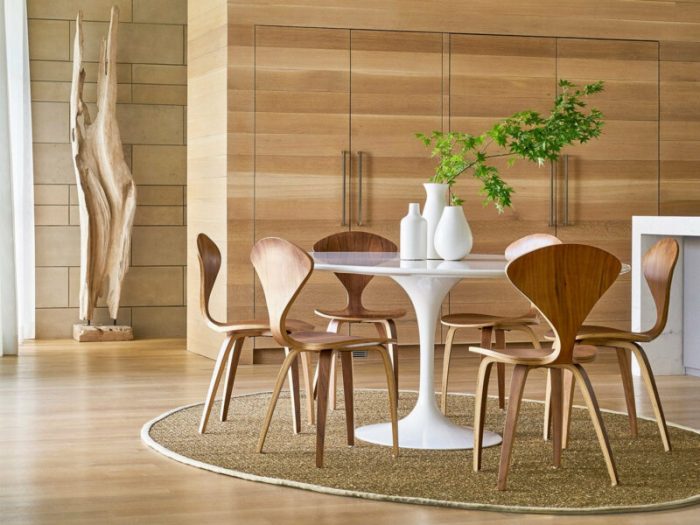
The Defining Characteristics of Scandinavian Furniture
Scandinavian design isn’t merely a trend; it’s a deeply rooted design language characterized by several core principles:
Functionality and Simplicity: Form Follows Function
At the heart of Scandinavian design lies the principle of functionality. Every piece serves a clear purpose, devoid of unnecessary ornamentation. Clean lines, simple shapes, and a lack of clutter are paramount. This emphasis on functionality translates to furniture that is both practical and aesthetically pleasing. Think sleek, unfussy designs that seamlessly integrate into various living spaces.
The focus is on creating pieces that are both beautiful and useful, avoiding excessive decoration or embellishment.
Natural Materials: Embracing Nature’s Palette
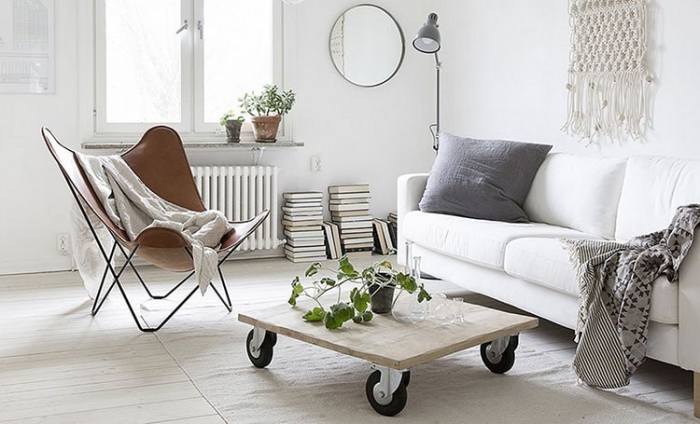
Scandinavian design celebrates the beauty of natural materials. Wood, particularly light-colored woods like birch, pine, and ash, is a staple. These materials bring warmth and a sense of connection to the natural world. Other natural materials like wool, linen, and leather are frequently incorporated into upholstery and accessories, further reinforcing the organic aesthetic. The use of natural materials contributes to the overall sense of serenity and tranquility associated with the style.
Light and Airy Spaces: Maximizing Natural Light
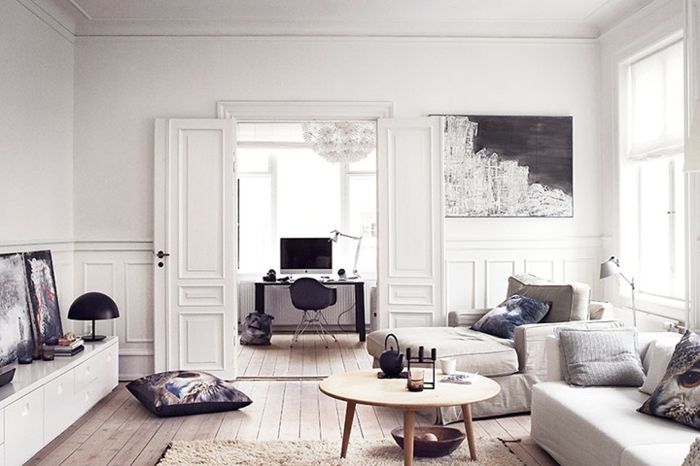
Given the long, dark winters in Scandinavia, maximizing natural light is crucial. Scandinavian furniture often features light, airy designs that don’t overwhelm a space. Pale color palettes, including whites, creams, and light grays, are commonly used to reflect light and create a feeling of spaciousness. Large windows are a hallmark of Scandinavian architecture, and the furniture is designed to complement this abundance of natural light.
Minimalist Aesthetics: Less is More
Scandinavian design embraces minimalism. The focus is on creating clean, uncluttered spaces. This minimalist approach extends to the furniture itself, with a preference for simple shapes and unadorned surfaces. While functionality is key, the aesthetic is equally important, resulting in pieces that are both practical and visually appealing. The overall effect is a sense of calm and order.
Comfort and Ergonomics: Prioritizing User Experience
While minimalism is central, Scandinavian design doesn’t sacrifice comfort. Furniture is designed with ergonomics in mind, ensuring that it is comfortable and easy to use. Chairs, for instance, often feature comfortable curves and supportive backrests. The overall design prioritizes the user experience, making the furniture both aesthetically pleasing and comfortable to use.
The History of Scandinavian Design: Scandinavian Style Furniture
Scandinavian design’s roots trace back to the post-World War II era, a time of rebuilding and a desire for functional, affordable design. Designers like Alvar Aalto, Arne Jacobsen, and Hans Wegner spearheaded the movement, emphasizing simplicity, functionality, and the use of natural materials. Their designs, often characterized by clean lines and organic forms, quickly gained international recognition and continue to influence contemporary design today.
The “Danish Modern” movement, a significant sub-category, played a crucial role in shaping the style’s global appeal. This movement focused on handcrafted quality and the use of high-quality materials, emphasizing the artistry and skill involved in furniture making. The emphasis on craftsmanship is a key element that distinguishes Scandinavian furniture from mass-produced pieces.
Popular Scandinavian Furniture Pieces
Several iconic pieces exemplify the Scandinavian design aesthetic:
The Wishbone Chair (Hans Wegner):
A testament to elegant simplicity, its Y-shaped back is instantly recognizable.
The Egg Chair (Arne Jacobsen):, Scandinavian style furniture
A symbol of mid-century modern design, its organic form and comfortable seating are timeless.
The Series 7 Chair (Arne Jacobsen):
A versatile and stackable chair, ideal for both residential and commercial spaces.
The Panton Chair (Verner Panton):
A more modern take on Scandinavian design, its one-piece molded plastic construction showcases innovative design.
Incorporating Scandinavian Style into Your Home
Bringing the essence of Scandinavian design into your home doesn’t require a complete overhaul. Start by incorporating key elements:
- Choose a light and airy color palette: Whites, creams, grays, and pastels create a sense of spaciousness.
- Incorporate natural materials: Wood, wool, linen, and leather add warmth and texture.
- Select simple, functional furniture: Opt for pieces with clean lines and unadorned surfaces.
- Maximize natural light: Keep windows unobstructed and use light-colored curtains or blinds.
- Declutter your space: Minimalism is key to achieving the Scandinavian aesthetic.
Modern Interpretations of Scandinavian Design
While rooted in mid-century principles, Scandinavian design continues to evolve. Contemporary interpretations often blend traditional elements with modern materials and techniques. This includes the use of sustainable materials and innovative manufacturing processes, reflecting a growing awareness of environmental responsibility.
Frequently Asked Questions (FAQ)
- What is the difference between Scandinavian and minimalist design? While Scandinavian design embraces minimalism, it’s not solely defined by it. Scandinavian design emphasizes functionality, natural materials, and a connection to nature, aspects not always central to minimalist design.
- Is Scandinavian furniture expensive? Prices vary widely depending on the brand, materials, and craftsmanship. While some iconic pieces command high prices, many affordable options capture the essence of the style.
- Where can I buy authentic Scandinavian furniture? You can find authentic pieces from reputable retailers specializing in Scandinavian design, both online and in physical stores. Be aware of imitations and prioritize quality craftsmanship.
- How do I maintain Scandinavian furniture? Regular dusting and occasional polishing are usually sufficient. For wooden furniture, use appropriate wood cleaners and avoid harsh chemicals.
- Can Scandinavian design work in small spaces? Absolutely! Its minimalist nature and emphasis on light and airy spaces make it particularly suitable for smaller homes.
Resources
Call to Action
Ready to infuse your home with the timeless elegance and functionality of Scandinavian design? Explore our curated collection of Scandinavian-inspired furniture and accessories today!
Quick FAQs
What is the difference between Scandinavian and minimalist furniture?
While Scandinavian design is a subset of minimalist design, it emphasizes natural materials and a specific color palette more strongly. Minimalist design, on the other hand, is a broader concept encompassing various styles that prioritize simplicity and functionality.
Where can I buy authentic Scandinavian furniture?
Authentic Scandinavian furniture can be found through dedicated Scandinavian furniture retailers, both online and in physical stores. You can also find reputable sellers on online marketplaces, but always verify authenticity and check reviews before purchasing.
How do I care for Scandinavian style furniture?
Care instructions vary depending on the materials. Wood furniture generally benefits from regular dusting and occasional polishing with appropriate wood cleaner. Upholstered pieces should be vacuumed regularly and spot-cleaned as needed. Always refer to the manufacturer’s care instructions.