
Minimalist home decor offers a refreshing approach to interior design, prioritizing functionality and serenity over clutter. This aesthetic emphasizes clean lines, a neutral color palette, and the strategic placement of carefully chosen items. By embracing minimalism, homeowners can create a space that feels both calming and invigorating, promoting a sense of peace and well-being.
The core principle is to curate possessions, keeping only what is essential and brings genuine joy. This involves decluttering, organizing, and thoughtfully selecting furniture and décor. The result is a visually uncluttered environment that fosters focus and relaxation. Minimalism isn’t about deprivation; it’s about intentional living and creating a space that truly reflects your personal style and values.
Minimalist home decor isn’t just a trend; it’s a lifestyle choice reflecting a desire for simplicity, functionality, and intentional living. It’s about curating a space that fosters peace and tranquility, free from clutter and visual noise. This comprehensive guide will delve into the core principles of minimalist interior design, offering practical tips and inspiration to help you create a serene and stylish home.
Understanding the Principles of Minimalist Design: Minimalist Home Decor
At its heart, minimalist design prioritizes functionality and intentionality. It’s about stripping away the unnecessary to reveal the essential. This doesn’t mean a stark, empty space; rather, it’s about carefully selecting items that serve a purpose and bring you joy. Key principles include:
Less is More: Decluttering and Organization
The cornerstone of minimalist decor is decluttering. This involves a thorough assessment of your belongings, discarding anything that’s broken, unused, or no longer serves a purpose. Effective organization is crucial to maintaining a clutter-free environment. Consider using storage solutions that are both functional and aesthetically pleasing, such as sleek baskets, drawers, and shelving units. Remember, the goal isn’t just to remove items but to create a space that feels open and airy.
The Power of Intentionality: Choosing Quality over Quantity
Instead of accumulating numerous inexpensive items, focus on investing in fewer, high-quality pieces. This approach not only improves the overall aesthetic but also ensures durability and longevity. Consider the craftsmanship, materials, and design of each item before bringing it into your home. Choose items that reflect your personal style and bring you genuine happiness.
Neutral Color Palettes: Creating a Sense of Calm
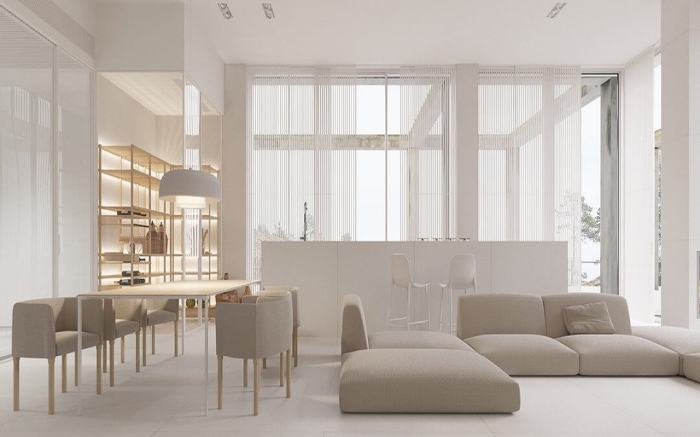
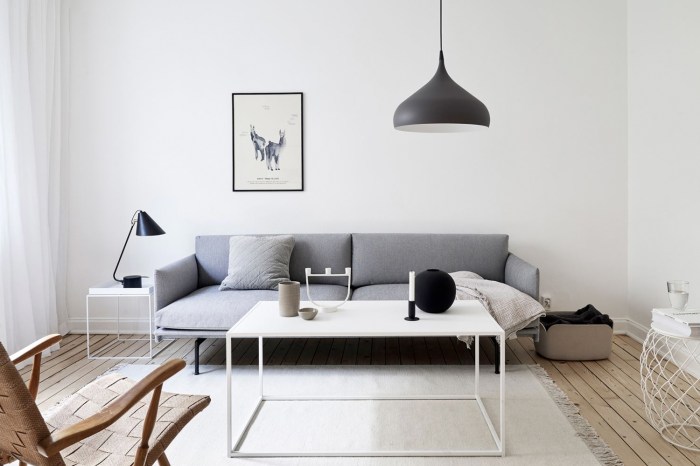
Minimalist design often utilizes a neutral color palette, typically featuring shades of white, beige, gray, and black. These colors create a sense of calm and spaciousness, providing a blank canvas for pops of color or texture. However, you can certainly incorporate other colors, just be mindful of not overwhelming the space with too many vibrant hues.
Natural Light and Airy Spaces: Maximizing Openness
Maximize natural light by keeping windows unobstructed and using sheer curtains or blinds. This creates a brighter, more inviting space. Open floor plans contribute to the airy feel, but even in smaller spaces, you can create a sense of openness by using light-colored walls and furniture.
Essential Elements of Minimalist Home Decor
While minimalism emphasizes simplicity, it doesn’t equate to a sterile environment. Certain elements can enhance the minimalist aesthetic while maintaining its core principles:
Furniture: Functionality and Form
Choose furniture pieces that are both functional and aesthetically pleasing. Multi-functional furniture, such as a sofa bed or a coffee table with storage, can maximize space efficiency. Opt for clean lines and simple designs, avoiding overly ornate or fussy pieces. Consider materials like natural wood, linen, and cotton for a warm and inviting feel.
Lighting: Layering for Ambiance
Lighting plays a crucial role in setting the mood. Layer different types of lighting, such as ambient, task, and accent lighting, to create a warm and inviting atmosphere. Consider using sleek pendant lights, floor lamps, and table lamps to illuminate different areas of the room. Avoid harsh overhead lighting.
Textiles: Adding Texture and Warmth
While minimalism prioritizes simplicity, textiles can add texture and warmth without overwhelming the space. Choose natural fabrics like linen, cotton, and wool in neutral colors or subtle patterns. A simple throw blanket or a textured rug can add visual interest and comfort.
Artwork and Decor: Curated and Meaningful Pieces
Instead of filling your walls with numerous pieces of artwork, select a few meaningful pieces that resonate with you. Large-scale artwork can create a focal point, while smaller pieces can be strategically placed to add visual interest. Avoid clutter by keeping the number of decorative items to a minimum.
Minimalist Decor Styles: Finding Your Niche
Minimalism isn’t a one-size-fits-all approach. Several styles incorporate minimalist principles while offering unique aesthetics:
Scandinavian Minimalism: Light and Airy
Scandinavian minimalism emphasizes natural light, clean lines, and functional furniture. It often incorporates natural materials like wood and incorporates pops of color through textiles and artwork. Think cozy and inviting with a focus on simplicity.
Japanese Minimalism: Tranquility and Order, Minimalist home decor
Japanese minimalism prioritizes simplicity, order, and a connection with nature. It often features natural materials, neutral colors, and a focus on creating a peaceful and meditative atmosphere. The emphasis is on functionality and removing distractions.
Modern Minimalism: Clean Lines and Geometric Shapes
Modern minimalism emphasizes clean lines, geometric shapes, and a focus on functionality. It often incorporates sleek furniture and a neutral color palette. The overall aesthetic is sophisticated and understated.
Implementing Minimalist Decor in Your Home
Transforming your home into a minimalist haven is a gradual process. Here are some practical steps to get started:
Declutter Strategically: One Room at a Time
Don’t try to declutter your entire home at once. Start with one room and work your way through the house. This approach prevents feeling overwhelmed and allows you to focus on each space individually.
Embrace the “One In, One Out” Rule
For every new item you bring into your home, get rid of an old one. This simple rule helps prevent accumulating clutter and ensures that you are intentional about the items you own.
Invest in Quality Storage Solutions
Effective storage is crucial for maintaining a clutter-free environment. Invest in storage solutions that are both functional and aesthetically pleasing. Hidden storage is especially useful for keeping things organized without sacrificing style.
Frequently Asked Questions (FAQ)
- Q: Is minimalist decor expensive? A: Not necessarily. While investing in high-quality pieces is recommended, you can find affordable minimalist items from various sources, including thrift stores, online marketplaces, and budget-friendly retailers. The focus is on quality over quantity.
- Q: Is minimalist decor boring? A: Not at all! Minimalism allows for creativity and personalization. You can add pops of color, texture, and unique items that reflect your personality while maintaining a clean and uncluttered aesthetic.
- Q: How do I declutter effectively? A: Start by sorting your belongings into categories (keep, donate, sell, trash). Be honest with yourself about what you truly need and use. Consider the KonMari method or other decluttering techniques to streamline the process.
- Q: Can I have a minimalist home with children? A: Absolutely! Minimalism for families focuses on practical solutions and child-friendly organization. Prioritize durable, easy-to-clean items and teach children the value of tidiness and intentional living.
Resources
Call to Action
Ready to embark on your minimalist home decor journey? Start small, focus on intentionality, and enjoy the process of creating a space that reflects your personal style and promotes a sense of calm and well-being. Share your minimalist design ideas with us in the comments below!
Clarifying Questions
What are the key elements of minimalist home decor?
Clean lines, neutral color palettes, natural light, functional furniture, and a focus on quality over quantity are key elements.
How do I start decluttering for a minimalist home?
Begin by identifying items you no longer use or need. Consider donating, selling, or recycling unwanted items. Focus on one area at a time for a manageable approach.
Is minimalist decor expensive?
Not necessarily. Minimalism prioritizes quality over quantity, meaning fewer, well-chosen items can create a sophisticated look without breaking the bank.