
Vintage aesthetic chairs offer a unique blend of classic style and modern appeal. These pieces, often imbued with history and craftsmanship, can transform a room, adding character and a touch of nostalgia. From mid-century modern designs to antique finds, the variety of styles and materials available ensures there’s a vintage aesthetic chair to suit every taste and décor. Understanding their history and appreciating their unique qualities is key to choosing the perfect piece for your home.
The enduring popularity of vintage aesthetic chairs stems from their inherent beauty and the stories they tell. Many are crafted from high-quality materials, built to last, and possess a timeless elegance that transcends fleeting trends. Their presence in a space speaks volumes about the owner’s appreciation for quality, history, and unique design.
Vintage aesthetic chairs: a phrase that conjures images of bygone eras, elegant designs, and enduring craftsmanship. More than just seating, these pieces are statements, adding character and history to any space. This comprehensive guide delves into the world of vintage aesthetic chairs, exploring their styles, materials, restoration, and the reasons behind their continued popularity. We’ll cover everything from identifying authentic pieces to incorporating them into modern interiors, making this your ultimate resource for all things vintage seating.
Defining the Vintage Aesthetic Chair
The term “vintage” generally refers to items produced between approximately 1920 and 1980, though the exact timeframe can be debated. A vintage aesthetic chair, therefore, possesses a design reflecting the stylistic trends of that period. This encompasses a broad range of styles, each with its own unique characteristics. It’s not just about age; it’s about the inherent quality, design integrity, and the story the chair tells.
Key Characteristics of Vintage Aesthetic Chairs
- Unique Design Elements: Often featuring intricate detailing, handcrafted elements, and distinctive silhouettes not found in mass-produced modern furniture.
- High-Quality Materials: Many vintage chairs were constructed using solid wood (mahogany, oak, walnut), durable fabrics (velvet, linen, leather), and robust joinery techniques.
- Patina and Imperfections: While some restoration is common, authentic vintage chairs often display a beautiful patina – the subtle wear and tear that adds to their character and charm. These imperfections tell a story, showcasing the chair’s history and journey.
- Historical Context: Understanding the historical context of a vintage chair – the era it was produced in, the designer, and the prevailing styles – adds to its appreciation and value.
Popular Vintage Chair Styles: Vintage Aesthetic Chair
The world of vintage aesthetic chairs encompasses a multitude of styles. Some of the most sought-after include:
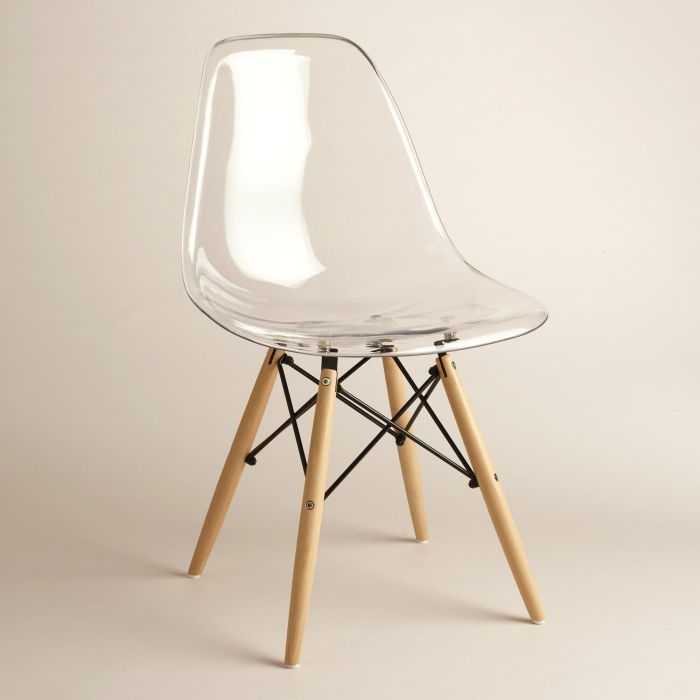
Mid-Century Modern Chairs
Mid-century modern chairs (roughly 1933-1965) are known for their clean lines, organic shapes, and functional designs. Think iconic pieces like the Eames Lounge Chair, the Barcelona Chair, and various Scandinavian designs emphasizing simplicity and comfort. These chairs often feature molded plywood, chrome legs, and innovative materials.
Art Deco Chairs
Art Deco chairs (1920s-1930s) exude elegance and glamour. Characterized by geometric shapes, luxurious materials (like lacquer and exotic woods), and bold ornamentation, these chairs often feature rich colors and opulent details. Think sleek lines, stepped forms, and a sense of refined luxury.
Victorian Chairs, Vintage aesthetic chair
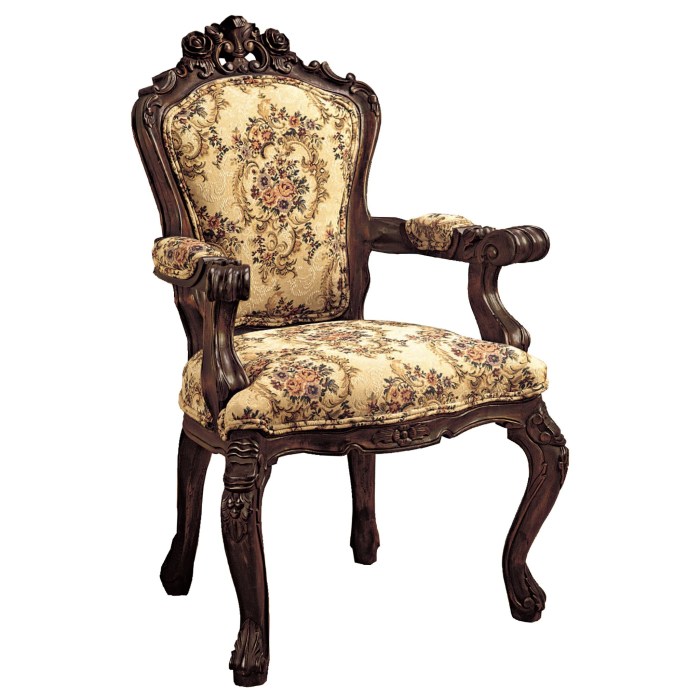
Victorian chairs (1837-1901) are known for their ornate details, plush upholstery, and often dark, rich wood finishes. Expect intricate carvings, tufted fabrics, and a sense of opulence. Styles range from the heavily ornamented to more restrained interpretations.
French Provincial Chairs
French Provincial chairs evoke a sense of rustic charm and elegance. Typically made from light-colored wood, they often feature simple yet elegant lines, often with curved legs and comfortable seating. They often showcase a lighter, more delicate aesthetic compared to Victorian pieces.
Identifying Authentic Vintage Chairs
Determining the authenticity of a vintage chair requires careful examination. Look for:
- Maker’s Marks and Labels: Check for manufacturer’s stamps, labels, or tags that can help identify the chair’s origin and age.
- Construction Quality: Examine the joinery, the quality of the materials, and the overall craftsmanship. Authentic vintage pieces usually demonstrate superior construction compared to modern reproductions.
- Hardware: The type of hardware used (hinges, screws, etc.) can provide clues about the chair’s age and origin.
- Patina and Wear: While excessive damage is undesirable, a subtle patina indicates age and authenticity. However, be wary of overly “distressed” pieces that might be artificially aged.
Restoring and Maintaining Vintage Chairs
Restoring a vintage chair requires patience and skill. While some minor repairs can be tackled at home, significant restoration projects are best left to professionals. Regular maintenance, however, can help preserve your chair’s beauty and longevity. This includes:
- Cleaning Upholstery: Regularly vacuum and spot-clean upholstery according to the fabric’s instructions.
- Polishing Wood: Use appropriate wood polish to maintain the wood’s finish and prevent drying.
- Tightening Joints: Periodically check for loose joints and tighten them as needed.
- Protecting from Damage: Use coasters and furniture pads to protect the chair from scratches and spills.
Incorporating Vintage Chairs into Modern Interiors
Vintage chairs can seamlessly integrate into various interior styles. Their unique character adds a touch of history and personality to modern spaces. Consider:
- Mixing and Matching: Pair a vintage chair with contemporary pieces for a stylish contrast.
- Creating a Focal Point: Use a striking vintage chair as a statement piece in a room.
- Highlighting Texture and Color: Let the chair’s unique texture and color influence your overall décor scheme.
- Accessorizing: Use throws, cushions, and other accessories to complement the chair and enhance its visual appeal.
Frequently Asked Questions (FAQ)
- Q: How can I find vintage chairs? A: Check online marketplaces (eBay, Etsy), antique shops, flea markets, and estate sales. You can also consult interior design professionals for sourcing.
- Q: How much do vintage chairs cost? A: Prices vary greatly depending on the chair’s style, condition, maker, and rarity. Research similar chairs to get an idea of market value.
- Q: How can I tell if a chair is a reproduction? A: Look for inconsistencies in craftsmanship, materials, and maker’s marks. Reproductions often lack the quality and attention to detail of authentic vintage pieces.
- Q: What kind of cleaning products should I use on vintage chair upholstery? A: Always test any cleaning product on an inconspicuous area first. Use upholstery-specific cleaners and follow the manufacturer’s instructions carefully.
- Q: Where can I find a professional to restore my vintage chair? A: Search online for local furniture restorers or antique repair shops. Check reviews and ask for references before hiring anyone.
Resources
- 1stDibs (Online marketplace for high-end antiques and vintage furniture)
- Chairish (Online marketplace specializing in vintage and antique furniture)
- LiveAuctioneers (Online platform for live and online auctions of antiques and collectibles)
Call to Action
Ready to add a touch of vintage elegance to your home? Start browsing online marketplaces and local antique shops today! Discover the unique charm and lasting quality of a vintage aesthetic chair and make it a cherished piece in your home for years to come.
User Queries
What materials are vintage aesthetic chairs typically made from?
Common materials include wood (various types), metal (steel, wrought iron), and upholstery fabrics like velvet, leather, and linen. The specific materials depend heavily on the chair’s era and style.
How can I care for a vintage aesthetic chair?
Regular dusting and occasional cleaning (depending on the upholstery) are essential. For wood, use appropriate wood polish or cleaner. Consult a professional for more delicate pieces or significant repairs.
Where can I find vintage aesthetic chairs?
Antique shops, flea markets, online marketplaces (eBay, Etsy), and vintage furniture stores are all excellent places to start your search.