
Scandinavian style tables epitomize minimalist elegance, blending functionality with understated beauty. These tables often feature clean lines, natural materials like light wood and oak, and a focus on practicality. Their simple yet sophisticated designs seamlessly integrate into a variety of interior styles, from modern apartments to cozy cabins. This guide explores the key characteristics and appeal of this popular design aesthetic.
The enduring popularity of Scandinavian style tables stems from their versatility and timeless appeal. They are equally at home in a formal dining setting or a casual breakfast nook. The emphasis on natural materials contributes to a sense of warmth and tranquility, while the minimalist design keeps the space feeling open and airy. Understanding the design principles behind these tables allows for informed choices when selecting the perfect piece for your home.
The Scandinavian style, renowned for its minimalist aesthetic and functional design, has captivated homeowners worldwide. A key element of this style is the dining table, often the heart of the home. This comprehensive guide delves into the defining characteristics of a Scandinavian style table, exploring its design principles, materials, variations, and how to incorporate it seamlessly into your interior.
We’ll also cover popular table shapes, sizes, and care tips to help you make an informed decision.
Defining Characteristics of a Scandinavian Style Table
Scandinavian design emphasizes simplicity, functionality, and natural materials. These principles are reflected strongly in Scandinavian style tables. Key characteristics include:
- Minimalist Design: Clean lines, uncluttered surfaces, and a lack of excessive ornamentation are hallmarks of the style. The focus is on the inherent beauty of the materials and the table’s functionality.
- Natural Materials: Light-colored wood, such as oak, pine, and birch, are favored. These materials create a warm and inviting atmosphere, aligning with the Scandinavian emphasis on nature and sustainability. Other natural materials like stone or even reclaimed wood can also be incorporated.
- Functionality: Scandinavian tables are designed to be practical and serve their purpose efficiently. They are often sturdy and durable, built to withstand daily use.
- Light and Airy Feel: The design often incorporates light colors and simple forms to create a sense of spaciousness, even in smaller rooms. This contributes to the overall feeling of calm and serenity.
- Simple, Elegant Details: While ornamentation is minimal, subtle details like tapered legs or subtly carved edges can add a touch of elegance without overwhelming the design.
Popular Materials for Scandinavian Style Tables
The choice of material significantly impacts the overall look and feel of a Scandinavian style table. Some of the most commonly used materials include:
- Light Wood: Oak, pine, and birch are particularly popular for their light color, durability, and natural grain patterns. These woods readily accept various finishes, allowing for customization.
- Reclaimed Wood: Using reclaimed wood adds character and sustainability to the table. The unique textures and variations in color contribute to a rustic yet refined aesthetic.
- Metal: Metal legs or bases, particularly in black or white, can provide a modern contrast to the wooden tabletop. This combination creates a visually interesting and balanced design.
- Stone: Stone tabletops, especially in lighter shades, can add a touch of elegance and durability. However, they tend to be heavier and require more careful maintenance.
Different Types of Scandinavian Style Tables
The Scandinavian aesthetic adapts well to various table styles and shapes. Some popular options include:
Dining Tables
The quintessential Scandinavian style table is the dining table. These tables are often rectangular or round, promoting a sense of togetherness and conversation.
Coffee Tables, Scandinavian style table
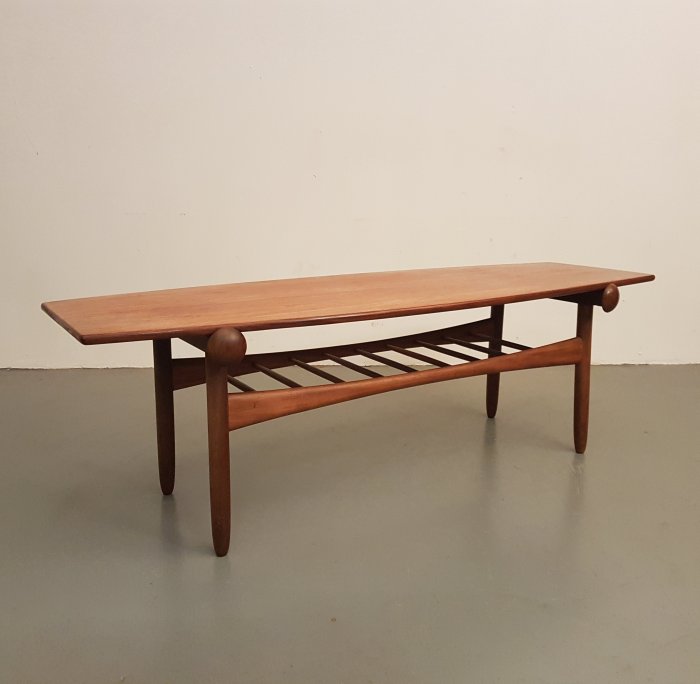
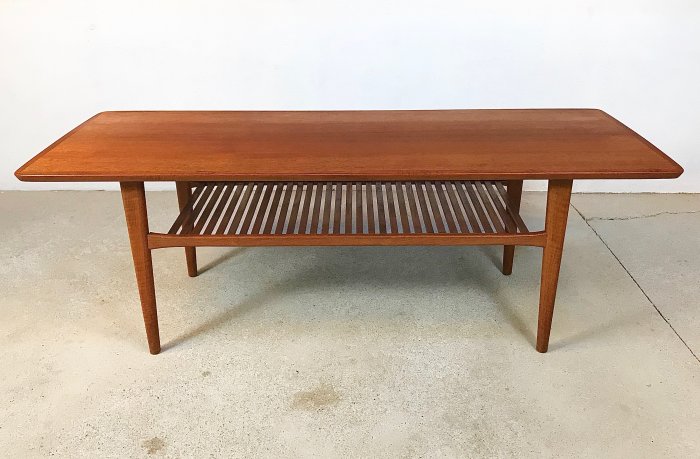
Scandinavian coffee tables typically feature a low profile and a simple design, often with a wooden top and slender legs. They serve as both functional and decorative elements in the living room.
Console Tables
Narrow and often placed against a wall, console tables in the Scandinavian style offer a practical storage solution while maintaining a clean and minimalist look. They often feature a simple shelf or drawer.
Kitchen Tables
Similar to dining tables, kitchen tables in the Scandinavian style prioritize functionality and simplicity. They are often made from durable materials and designed for easy cleaning.
Choosing the Right Size and Shape
Selecting the appropriate size and shape for your Scandinavian style table is crucial for both aesthetics and functionality. Consider these factors:
- Room Size: A large table in a small room can feel overwhelming. Choose a size that leaves ample space for movement around the table.
- Number of Guests: Ensure the table comfortably accommodates your typical number of dinner guests, allowing for sufficient elbow room.
- Shape: Round tables promote conversation and intimacy, while rectangular tables are better suited for larger gatherings.
Caring for Your Scandinavian Style Table
Proper care ensures the longevity and beauty of your Scandinavian style table. Regular maintenance is key:
- Dusting: Regularly dust the table to prevent the accumulation of dirt and grime.
- Cleaning: Use a damp cloth and mild detergent to clean spills and stains promptly. Avoid harsh chemicals.
- Polishing: Periodically polish wooden tables with a suitable wood polish to maintain their luster and protect them from damage.
- Protection: Use coasters and placemats to protect the table’s surface from scratches and heat damage.
Incorporating a Scandinavian Style Table into Your Home
To seamlessly integrate a Scandinavian style table into your interior, consider these tips:
- Color Palette: Stick to a neutral color palette, using whites, creams, grays, and natural wood tones to maintain the minimalist aesthetic.
- Lighting: Natural light is highly valued in Scandinavian design. Maximize natural light and supplement with soft, warm artificial lighting.
- Accessories: Keep accessories minimal and functional. Choose simple, natural materials like ceramics, linen, and wool.
- Textiles: Incorporate soft textiles such as linen napkins, placemats, and a rug to add warmth and texture.
Frequently Asked Questions (FAQ)
- Q: What is the typical price range for a Scandinavian style table? A: Prices vary greatly depending on the size, materials, and manufacturer. You can find affordable options, as well as high-end pieces, ranging from a few hundred to several thousand dollars.
- Q: Where can I buy a Scandinavian style table? A: Many furniture stores, both online and brick-and-mortar, offer Scandinavian style tables. You can also find unique pieces from independent designers and artisans.
- Q: How do I maintain a wooden Scandinavian style table? A: Regularly dust the table, clean spills promptly with a damp cloth and mild detergent, and periodically polish it with a suitable wood polish. Use coasters and placemats to protect the surface.
- Q: Are Scandinavian style tables durable? A: Yes, when made with quality materials, Scandinavian style tables are typically very durable and long-lasting.
- Q: Can I mix and match Scandinavian style with other design styles? A: Absolutely! The minimalist nature of Scandinavian design allows it to complement various styles, creating a unique and personalized look. Consider incorporating elements of other styles, such as mid-century modern or rustic, for a layered and eclectic feel.
References
Call to Action
Ready to bring the clean lines and natural beauty of Scandinavian design into your home? Browse our collection of exquisite Scandinavian style tables today and find the perfect piece to complement your interior!
Answers to Common Questions
What are common materials used in Scandinavian style tables?
Light-colored woods like birch, pine, and oak are prevalent. You’ll also find some incorporating metal, often in a matte black or white finish for contrast.
How do I care for a Scandinavian style wooden table?
Regular dusting and occasional cleaning with a damp cloth are sufficient. Avoid harsh chemicals and always use coasters to protect the surface from spills and heat.
Where can I buy a Scandinavian style table?
Many furniture stores, both online and brick-and-mortar, offer Scandinavian-inspired tables. You can also find unique pieces from independent designers and artisans.